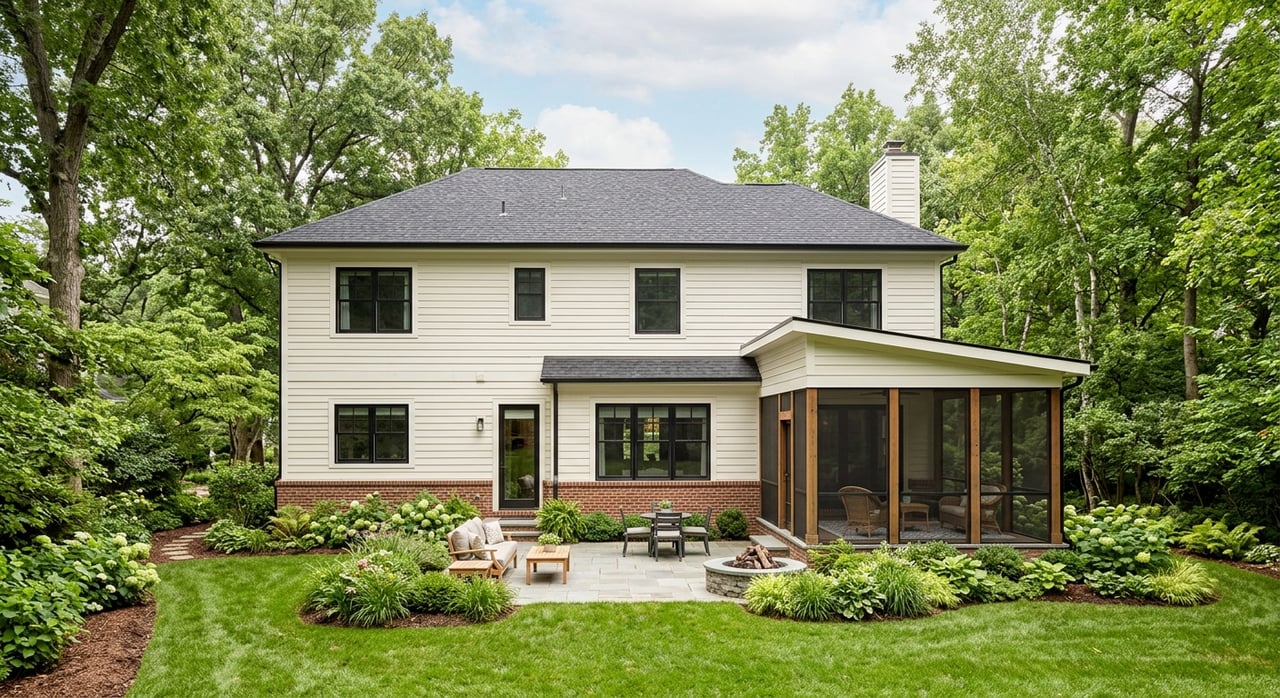
Buying vs Renting in Chapel Hill: How to Decide
April 23, 2026
April 23, 2026
If you are trying to decide whether to buy or rent a home in Chapel Hill, you are not alone. It is a big decision, and in a market with high home prices, rising rents, and fast-moving listings, the right answer depends on your timeline, your budget, and how much flexibility you need. This guide will help you compare the real costs of buying versus renting in Chapel Hill so you can make a smart move with confidence. Let’s dive in.
Chapel Hill is a university-centered market with relatively high housing costs. According to the U.S. Census QuickFacts for Chapel Hill, the town had 64,028 residents in 2024, a median household income of $85,825, a median value of owner-occupied homes of $576,500, and a median gross rent of $1,483 based on 2019 to 2023 estimates.
More recent market snapshots point even higher. Zillow’s Chapel Hill market data showed an average home value of $631,167, a median sale price of $603,333, average asking rent of $1,914, and homes going pending in about 21 days in March and April 2026. These figures are not direct apples-to-apples comparisons, but they do show the same trend: Chapel Hill is a competitive, expensive market for both buyers and renters.
The local market is also tight. The Town of Chapel Hill housing market assessment describes housing supply as constrained and notes affordability pressure, especially near downtown and UNC.
One of the biggest mistakes buyers make is comparing rent to only a mortgage payment. The Consumer Financial Protection Bureau says a true ownership budget should also include property taxes, homeowners insurance, mortgage insurance if needed, HOA dues if applicable, and maintenance costs.
In Chapel Hill, local property taxes matter. Orange County’s property tax guide says a final bill may include the county tax rate, the Town of Chapel Hill rate, the Chapel Hill-Carrboro City Schools district tax, and in some cases additional district charges.
For FY 2025-26, the published rates are:
Using Freddie Mac’s average 30-year fixed mortgage rate of 6.30% on April 16, 2026, a buyer putting 20% down on Chapel Hill’s typical home value of $631,167 would pay about $3,125 per month in principal and interest. After adding county, town, and school taxes, that total rises to about $3,772 per month before insurance, HOA dues, and maintenance.
That is the number many buyers need to sit with. Compared with Zillow’s average asking rent of $1,914, ownership may cost much more each month, at least at today’s rates and prices.
Monthly payment is only part of the picture. Buyers also need cash for closing costs, moving expenses, and reserves for repairs and maintenance.
The CFPB explains that closing costs typically run about 2% to 5% of the purchase price. On a $631,167 home, that works out to roughly $12,600 to $31,600 before you move in.
The CFPB also encourages buyers to think about whether they have at least two years of regular, steady income and enough savings to handle repairs, improvements, and unexpected expenses. If buying would drain your cash cushion, renting may be the safer choice for now.
Renting is often the better fit when your stay in Chapel Hill is short, uncertain, or tied to a changing schedule. Fannie Mae’s rent-versus-buy guidance notes that leases commonly run from 3 to 24 months, which can make renting a practical option when flexibility matters most.
That can be especially relevant in Chapel Hill. If you are here for grad school, a fellowship, a postdoc, a contract role, visiting faculty work, or a job transition, renting can reduce your risk. You avoid a large down payment, major closing costs, and the responsibility for near-term repairs.
Renting can also work well if you want time to learn the area, strengthen your budget, or improve your credit profile before buying. Fannie Mae also notes that on-time rent payment reporting can help some renters build credit for a future mortgage.
Buying usually becomes more attractive when you expect to stay long enough to absorb the upfront costs and you can comfortably carry the full monthly expense. The CFPB’s homebuyer readiness guidance suggests asking whether your income is stable, your savings are strong, and your finances can support both planned and surprise housing costs.
Ownership may also fit better if you want more control over your home and do not want to keep renewing leases. The tradeoff is that you take on maintenance, repair responsibility, and less flexibility if life changes quickly.
In Chapel Hill, that tradeoff matters more because supply is constrained and affordability pressure remains strong in parts of town, according to the Town’s housing assessment. If you are financially ready and planning to stay for several years, buying may be worth the higher monthly cost because it can provide long-term housing stability.
Before you decide, run through these practical questions:
These questions are important because selling too soon can limit the financial upside of buying. The CFPB warns that if you sell within the first few years, transaction costs can leave you with little or no net equity.
A simple benchmark can help you test affordability. The Town of Chapel Hill’s affordable housing page uses the common rule of thumb that housing should cost no more than 30% of household income.
That is not a perfect formula, but it is a useful gut check. If the true monthly cost of buying stretches your budget well beyond that range, renting may give you more breathing room. If buying still fits comfortably after taxes, insurance, maintenance, and reserves, then ownership may be a solid long-term move.
In Chapel Hill, renting is usually the cleaner choice if your timeline is short or uncertain. It gives you flexibility, lower upfront costs, and fewer financial surprises in a market where home values and ownership costs are high.
Buying becomes more compelling when you plan to stay long enough to recover closing costs, have stable income, and can absorb a monthly carrying cost that is often much higher than rent. Because homes can move quickly in Chapel Hill, preparation matters if you decide to buy.
If you want help thinking through your options in Chapel Hill or anywhere else in the Triangle, connect with Dylan Hale. You will get clear guidance, honest numbers, and a strategy built around your goals.
Stay up to date on the latest real estate trends.




Whether it’s your first home or your next big move, Dylan Hale brings the drive, heart, and strategy to make it happen.