Living in Wake Forest NC With Easy Triangle Access
April 16, 2026
April 16, 2026
If you want a hometown feel without giving up access to Raleigh, RTP, and the rest of the Triangle, Wake Forest deserves a closer look. For many buyers, the challenge is finding a place that feels connected and active without feeling rushed or overly urban. Wake Forest stands out because it blends historic character, everyday convenience, and a suburban housing mix in one location. Let’s dive in.
Wake Forest describes itself as a town that has grown from a small rural community into a busy suburban one, while still keeping a distinct local identity. It sits less than 10 miles north of Raleigh, and the town highlights its quick access to Triangle universities and Research Triangle Park through its community planning materials.
That location matters if you want more room, a strong sense of place, and practical access to major job centers. It also helps explain why Wake Forest appeals to buyers who want a suburban lifestyle without feeling cut off from the larger region.
According to the latest U.S. Census QuickFacts for Wake Forest, the town has an estimated population of 56,764, a 74.0% owner-occupied housing rate, a median owner-occupied home value of $474,500, and a median household income of $123,802. The average travel time to work is 30.9 minutes, which supports Wake Forest’s profile as an established suburban market with regional connectivity.
One of the biggest reasons people consider Wake Forest is its position within the Triangle. If your work, family, or daily routine takes you in multiple directions, location can make a major difference in how manageable life feels.
The town provides approximate drive times that help paint the picture. Wake Forest lists access at about 5 minutes to North Raleigh via US-1, 35 minutes to Downtown Raleigh via US-1, 30 minutes to RTP via I-540, 20 minutes to Durham via NC-98, and 40 minutes to Chapel Hill via I-540 on its community snapshot. These are directional estimates, not guaranteed commute times, but they show how the town fits into the broader Triangle map.
Wake Forest is still largely car-oriented, but transportation choices are growing. The town’s transportation page notes that Go Wake Forest microtransit launched on October 1, 2024 and can be booked by app or phone.
That same transportation resource also notes that the WRX express bus serves Downtown Wake Forest, Triangle Town Center, and Downtown Raleigh, with commuter parking available downtown. For some residents, that adds flexibility for certain workdays or event trips.
Looking further ahead, Wake Forest announced in 2025 that it received a $13.2 million federal grant to design a mobility hub for the S-Line passenger rail corridor, with service to Wake Forest targeted for 2030. You can read more in the town’s S-Line mobility hub announcement. For long-term buyers, future rail access is worth watching.
Easy access is only part of the story. What makes Wake Forest especially appealing is that it does not rely on Raleigh for all of its personality or everyday experiences.
The town’s roots go back to 1832, when land was purchased to establish an educational institute that opened in 1834. Wake Forest’s history page also ties the town’s growth to the railroad, which helped shape commercial activity in what is now downtown.
That history still shows up in the town’s core today. The Wake Forest Historic District includes the original Wake Forest College campus and surrounding residences, with architecture spanning from 1820 to 1956.
Historic character can mean very different things from one town to another. In Wake Forest, it supports a lived-in, active downtown rather than a district that feels purely preserved.
The town’s downtown development information describes downtown Wake Forest as a place with art galleries, specialty shops, coffee companies, and clothing boutiques. That gives you a local center for casual outings, errands, and weekend plans without having to head into Raleigh every time.
For buyers, that downtown setting can be a real lifestyle advantage. It adds texture to daily life and helps explain why Wake Forest often feels more rooted than a typical newer suburb.
Wake Forest also offers the kind of amenities that support day-to-day livability. If you value green space, walkable trails, and recurring local events, this part of town life can be a big draw.
E. Carroll Joyner Park is the town’s newest and largest park at 117 acres. It includes three miles of paved walking trails, an amphitheater, and a location about one mile east of Capital Boulevard.
The same town resource notes that Miller Park Greenway adds a 0.5-mile trail near the historic downtown business district, and the town’s greenway system totals 15.5 miles. That gives you multiple ways to enjoy outdoor time close to home.
Wake Forest backs up its small-town image with a very active event calendar. The town hosts Friday Night on White, a recurring free concert series held on the second Friday from April through September in downtown Wake Forest.
Town event materials also highlight Six Sundays in Spring at Joyner Park Amphitheater and Forest Fest, a family-oriented downtown event with vendors, activities, and local partners. Together, these events help create a local rhythm that makes Wake Forest feel engaged and community-centered.
This matters if you want a suburb where there is something to do nearby. Instead of always planning around Raleigh, you have a strong lineup of local gathering spaces and recurring events right in town.
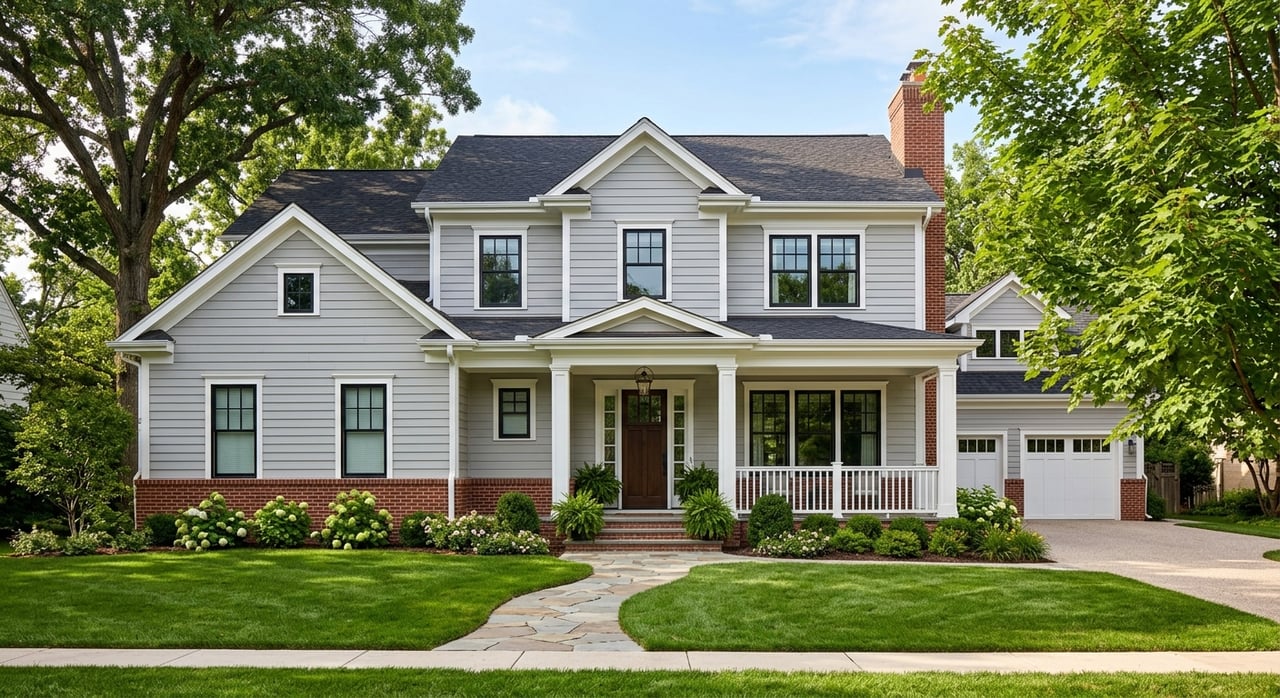
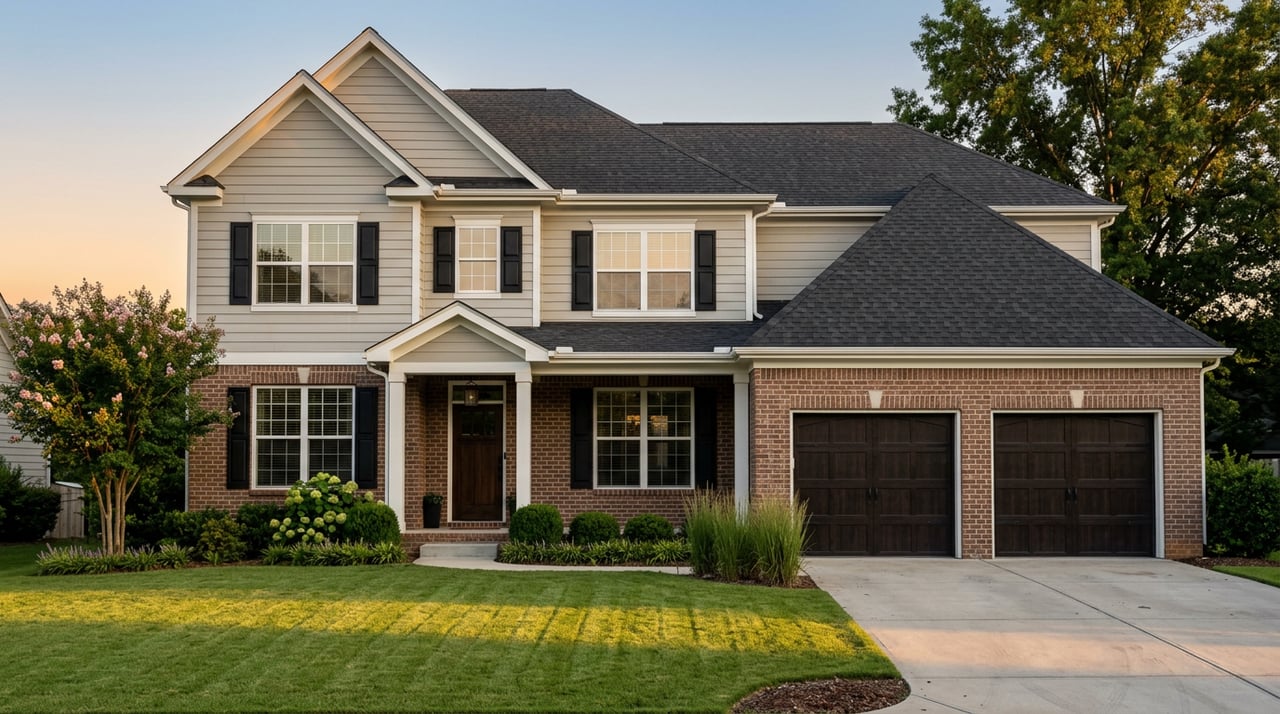
Wake Forest is not a one-note housing market. Its housing stock reflects both its historic background and its suburban growth, which means buyers can encounter a broader range of options than they might expect.
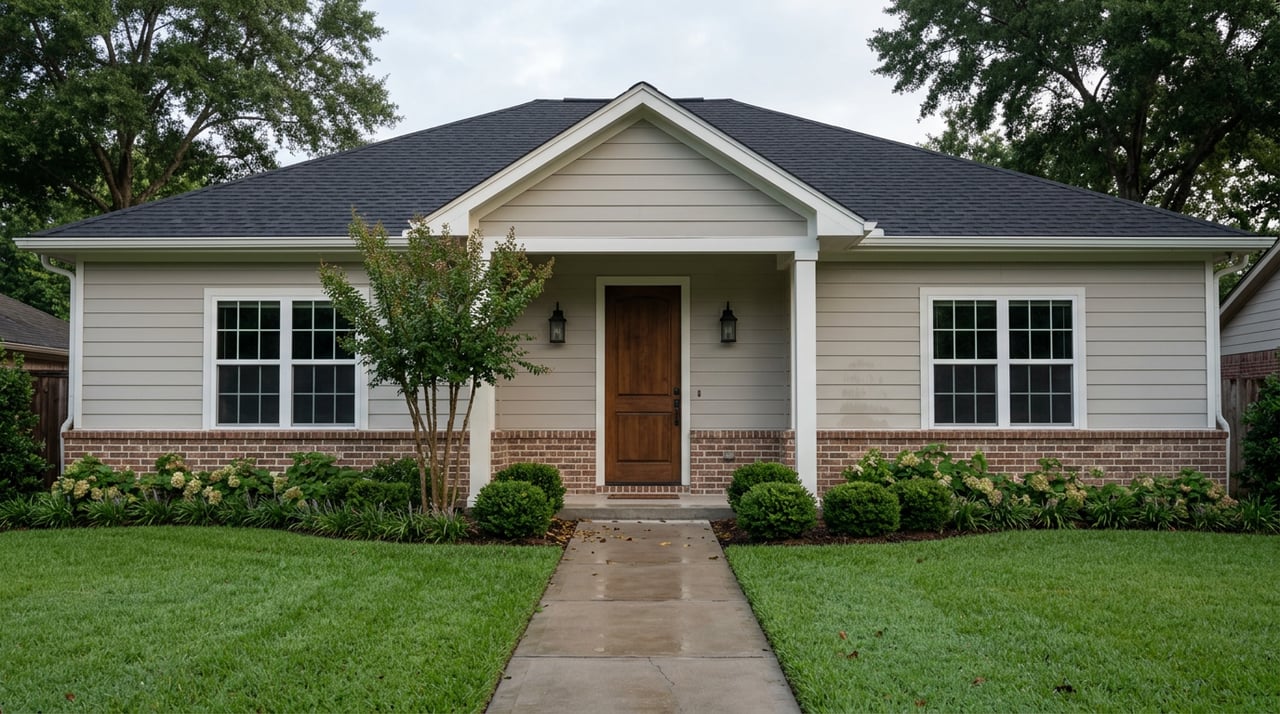
The town’s planning and preservation materials point to a mix that can include single-family homes, duplexes, town houses, garage apartments, and multifamily housing. Historic resources also identify architectural styles such as Queen Anne, Colonial Revival, Classical Revival, Bungalow, Ranch, and Cape Cod in the older parts of town.
That blend is important because it gives buyers different paths into the market. Some areas reflect older development patterns and more compact homes, while newer parts of Wake Forest align more closely with the larger-lot suburban style many Triangle buyers are looking for.
Wake Forest’s Northeast Neighborhood Plan describes homes in that area as modest in size and more affordable than homes in other parts of town. You can see that in the town’s Northeast Neighborhood Plan.
That does not mean one part of Wake Forest is better than another. It simply means the town offers variety, and your best fit will depend on your budget, space needs, commute goals, and preferred setting.
For some buyers, the appeal is a home closer to the historic core and downtown activity. For others, the right move may be a newer home in a more suburban setting with a different layout and lot style.
Wake Forest often makes sense if you want to stay connected to the Triangle while enjoying a town with its own identity. You may appreciate it most if you are looking for a balance of commute access, local events, outdoor amenities, and a housing mix that spans older character homes and newer suburban properties.
It can be especially appealing if you want a place that feels active but not overly hectic. Between downtown, parks, greenways, and regional access, Wake Forest offers a lifestyle that is practical during the week and enjoyable on the weekends.
If you are comparing Wake Forest to other Triangle suburbs, the key is to look at the full picture. Commute routes, home style, neighborhood setting, and everyday lifestyle all matter, and Wake Forest brings those pieces together in a way that stands out.
If you are thinking about buying or selling in Wake Forest or anywhere in the Triangle, Dylan Hale can help you build a strategy around your timeline, lifestyle, and next move.
Stay up to date on the latest real estate trends.
Whether it’s your first home or your next big move, Dylan Hale brings the drive, heart, and strategy to make it happen.