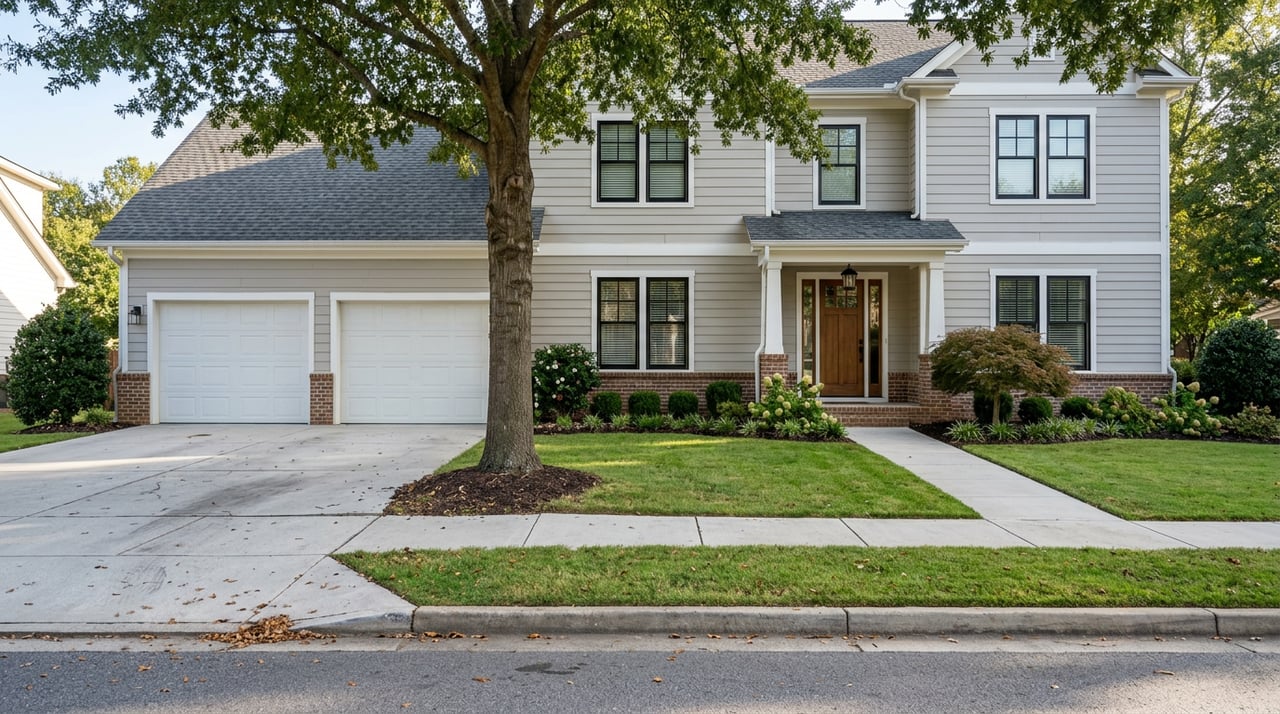
Fuquay-Varina Area Comparison: Central vs. Outer Living
March 5, 2026
March 5, 2026
Torn between a walkable, in-town lifestyle and more space on the edge of town? You are not alone. Many Fuquay-Varina buyers weigh convenience, commute time, and yard size against future growth and neighborhood feel. In this guide, you will see the real tradeoffs so you can choose with confidence and avoid surprises later. Let’s dive in.
If you picture Main Street, events, and shops, you are likely thinking of the town’s central area. The Town defines downtown through the DC-1 and DC-2 zoning districts, outlined on the official Downtown’s Footprint page. These districts are planned for pedestrian-oriented, mixed-use growth and are the best starting point for an in-town search. You can review the map and resources on the town’s Downtown’s Footprint page.
A simple rule of thumb is Judd Parkway. It works like a ring road around the historic core. Inside the parkway, you will find the most walkable streets and close-knit blocks. The 2022 Pedestrian Plan points to this inside-the-ring area as the most pedestrian friendly in town, while neighborhoods beyond the ring function more like traditional suburbs. You can see the pedestrian context in the town’s Pedestrian Plan.
Beyond downtown and the ring, the town’s 2040 Land Use Plan covers the full planning area, including town limits and surrounding growth areas. Many newer subdivisions and large tracts sit in this broader planning area. For policy context and future land-use direction, review the 2040 Community Vision Land Use Plan.
The average resident’s commute is about 31.9 minutes, which means most people plan around driving. That average is town-wide, so choosing central vs. outer will not radically change your regional commute unless your job sits near a specific corridor or interchange. You can confirm the averages on U.S. Census QuickFacts.
Peak-hour traffic on NC-55 and US-401 reflects that many residents work in Raleigh, Cary, or Durham. Regional plans highlight the future NC-540 southeastern extension as a key improvement that should cut cross-Triangle travel times over the next decade. If access to RDU, RTP, or western Cary matters to you, keep an eye on project timelines through CAMPO’s long-range plan at Destination 2055.
Practical steps:
Downtown puts you near restaurants, independent shops, and regular events. The town and local partners have invested in a lively Main Street experience, and infill projects have added new housing and storefronts in recent years. To get a feel for the business mix and calendar, browse the Fuquay-Varina Downtown Association.
Outer neighborhoods trade that proximity for more space. Many subdivisions include community amenities like pools, playgrounds, and trails, and yards are typically larger than what you will find near Main Street. Daily errands are usually a short drive, and big-box retail clusters tend to sit along the main corridors.
Central: Expect a mix of townhomes, small-lot single-family, apartments, and mixed-use buildings. The town’s downtown zoning encourages vertical mixed-use and a pedestrian-oriented feel. If you want a home where you can walk to coffee, dinner, and events, central living delivers that, with smaller private yards.
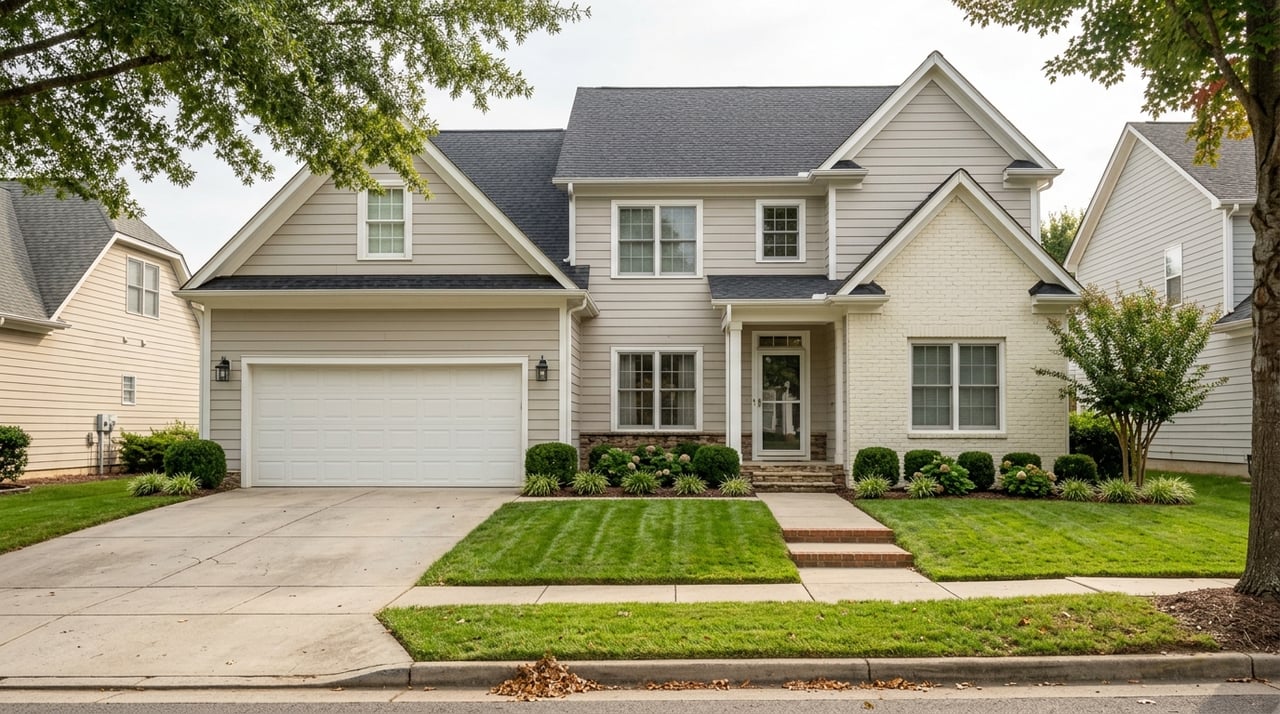
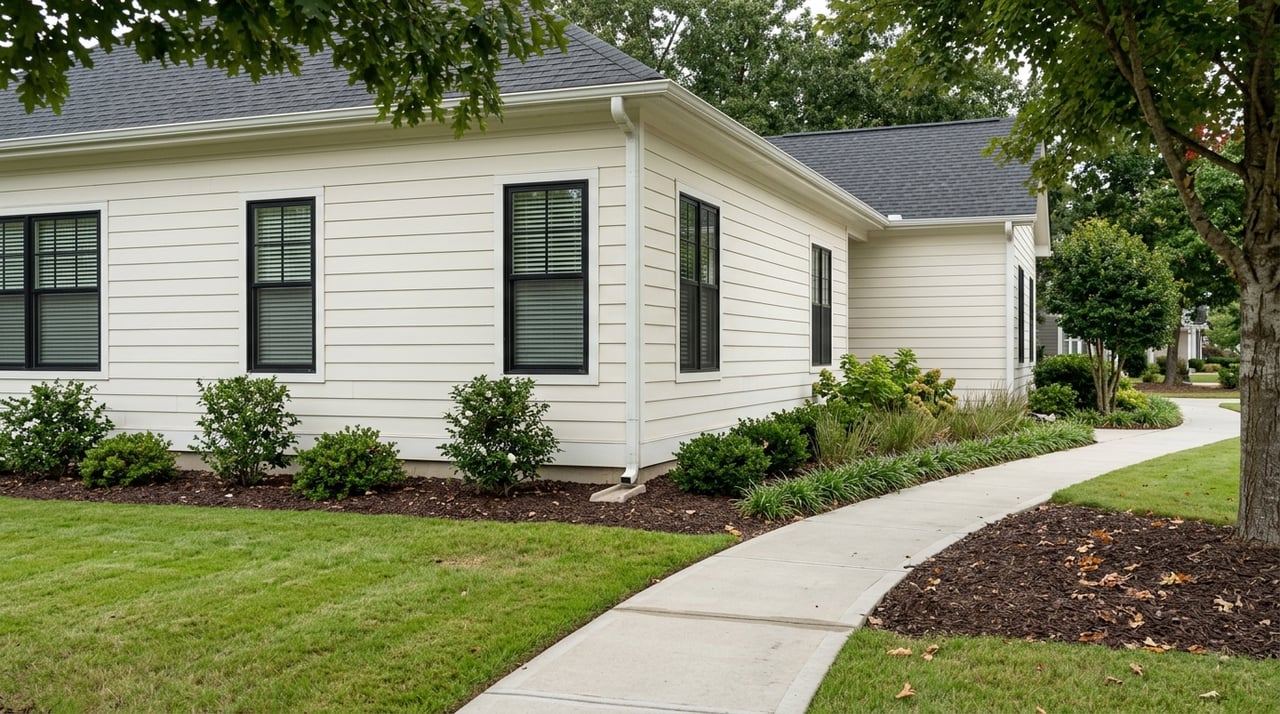
Outer: Single-family detached homes dominate across the planning area, with larger lots and more private open space compared to downtown. Many neighborhoods have HOAs and shared amenities. If you want a two-car driveway, a bigger yard, and quieter streets, the outer areas will offer more options.
City-wide market snapshots point to typical home values in the mid-$400k range, with wide variation by neighborhood and property type. Downtown condos and townhomes can differ significantly from large-lot single-family homes farther out, so always compare recent comps in the micro-area you prefer.
Growth is active across Fuquay-Varina. The 2040 Land Use Plan notes that roughly 54 percent of the planning area is undeveloped or under-developed, which supports both ongoing subdivision growth outside the core and more infill near downtown. You can review that policy direction in the Land Use Plan.
Downtown is set for visible change. In November 2024, the Town Board selected a developer for a single-block mixed-use project that includes about 244 apartments, roughly 20,000 square feet of ground-floor commercial, and a 420-space parking deck. The town will contribute up to $10.5 million toward the deck. This project will influence parking, retail mix, and apartment supply in the heart of downtown. For updates, check the town’s Downtown Mixed-Use Development page.
The Downtown Generational Plan adopted in 2025 signals more public space and mixed-use potential near Main Street in the coming years. If you value a stable, already-built environment, you may prefer established outer neighborhoods. If you are energized by a growing downtown with more dining and activity, the central area may be the right fit.
Start with your daily life. List what you do most days and where you go most weeks. If you plan frequent dinners out, love community events, and want to live near the center of the action, prioritize the DC-1/DC-2 area and addresses inside Judd Parkway. Use the town’s Downtown’s Footprint as your initial search map.
If a larger yard, driveway parking, and neighborhood amenities top your list, focus on the outer planning area. You will find more single-family options and a wider spread of lot sizes. Expect a short drive for most errands and car-first travel patterns.
Next, check your commute at rush hour from both a central and an outer address. The town-wide average is about 31.9 minutes, but your exact route can change that by several minutes. If your job sits near an interchange or will benefit from the NC-540 buildout over time, weigh that in your decision using Destination 2055.
Finally, factor in future change. Downtown has a defined pipeline of mixed-use activity, like the 244-unit project with a parking deck. If you prefer a quieter setting with fewer short-term construction impacts, lean outer. If you value walkable variety and do not mind some nearby construction as the core builds out, central may be ideal.
Use this simple, step-by-step list before you commit:
Choosing between central and outer Fuquay-Varina comes down to your daily routines and preferences. Central gives you walkability, close access to dining and events, and more mixed-use energy. Outer gives you larger lots, neighborhood amenities, and a quieter, car-first rhythm. Both choices share similar regional commute averages, so the best fit is the one that supports your lifestyle today and your plans for tomorrow.
If you want a decisive, service-first guide through this choice, let’s talk. As a veteran-led local team, we prioritize your goals, translate the data, and handle the details so you can move forward with confidence. Ready to compare addresses, commutes, and comps side by side? Schedule your free consultation with Dylan Hale.
Stay up to date on the latest real estate trends.
Whether it’s your first home or your next big move, Dylan Hale brings the drive, heart, and strategy to make it happen.