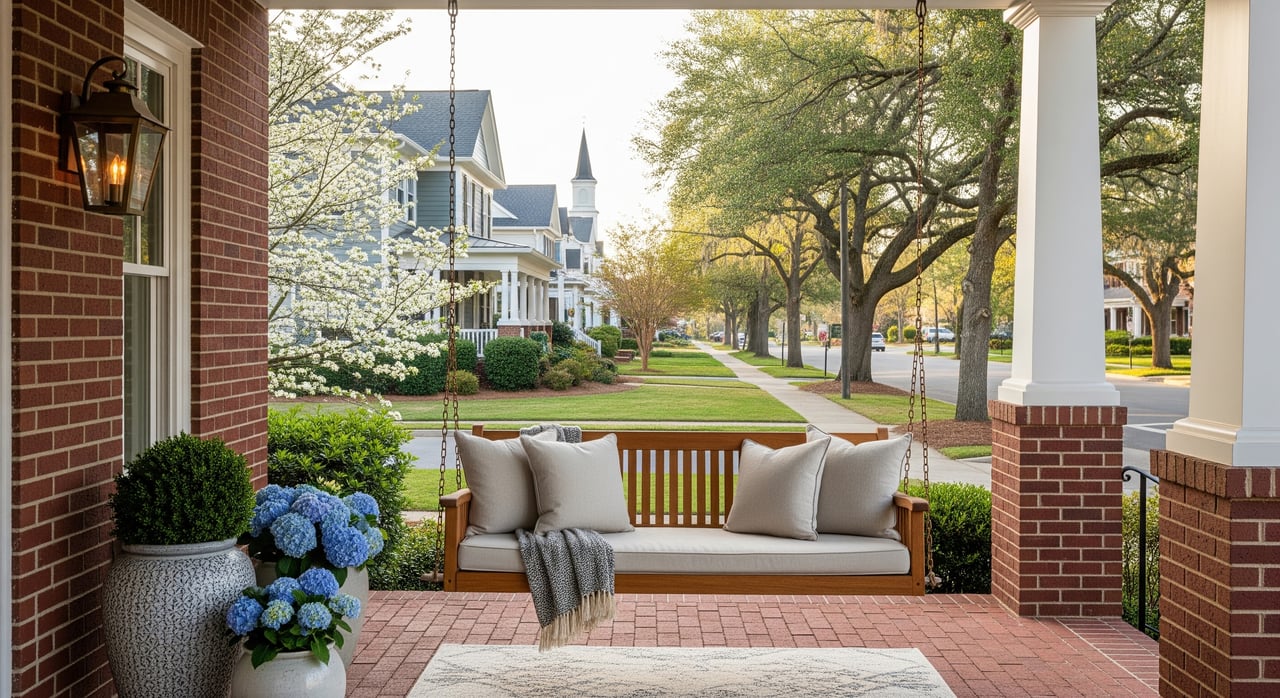
What Living in Apex NC Really Looks Like Day to Day
February 5, 2026
February 5, 2026
Curious what a normal Tuesday or a sunny Saturday actually feels like in Apex? You’re not alone. If you’re considering a move, you want a clear picture of daily rhythms, not just real estate listings. In this guide, you’ll learn how people get around, where everyday errands happen, what weekends look like, and the trade-offs that come with a fast-growing Triangle suburb. Let’s dive in.
Apex blends a historic downtown core with many newer suburban neighborhoods. Downtown streets host cafés, small shops, and local services that stay lively on evenings and weekends. Surrounding communities often include amenities like pools, playgrounds, and sidewalks, which makes neighborhood life active and social.
Weekday mornings bring commuter traffic toward Raleigh, Research Triangle Park, Cary, and Durham. Daytime energy includes school drop-off, errands, and home projects. Weekends shift to parks, greenways, sports fields, and downtown events. The town sits within a fast-growing metro, so you feel both the small-town vibe and the pace of regional change.
Apex is primarily car-oriented. The main corridors are NC‑55, US‑64, and the Triangle Expressway (NC‑540), which connect you to regional job centers. Commute times vary by destination and time of day, with peak congestion near interchanges. Typical drives to central Raleigh or RTP are often in the 20 to 45 minute range depending on traffic.
Regional bus service exists, but coverage and frequency in suburban Apex are more limited than in Raleigh or Cary. Some commuters use park-and-ride lots and express routes. Always confirm current schedules through official regional transit pages before you plan around a route.
Sidewalks and an expanding network of greenways make short walks and bike rides easy in many areas. Walkability is strongest in historic downtown and certain planned communities. For most daily errands, you will still use a car. Trails like the Beaver Creek Greenway offer accessible recreation and connections to other paths.
Raleigh–Durham International Airport serves Apex. Drive time depends on your starting point and traffic, but RDU is within practical reach for frequent travelers.
You can handle everyday errands like grocery shopping, banking, and pharmacy visits within town. Larger retail and big-box stores cluster along major corridors in Apex, with even more selection a short drive away in Cary or Raleigh. Most residents mix nearby convenience with occasional larger shopping trips.
Local dining spans casual family restaurants, coffee shops, and neighborhood favorites downtown and along main streets. Microbreweries, bakeries, and baker-cafés are common in Triangle suburbs and have grown here too. Late-night options are more limited than in larger cities, so many residents head to Cary, Raleigh, or Durham for expanded nightlife.
Apex has urgent care clinics, medical practices, and outpatient services for routine needs. Full-service hospitals affiliated with major systems are in Raleigh, Cary, and Durham, typically a 20 to 40 minute drive based on traffic and destination. Plan ahead for preferred providers and confirm drive times from your address.
Apex is served by the Wake County Public School System. You’ll find a mix of neighborhood elementary, middle, and high schools, and assignments can shift as new development changes attendance zones. Private and charter options are available across the Triangle. For current boundaries, capacity, and performance information, rely on official district resources and state report cards.
Parks and trails are central to life here. Community parks host playgrounds, athletic fields, picnic areas, and classes, and greenways connect neighborhoods for walking, jogging, and bike rides. On weekends, many residents head to larger outdoor destinations like Jordan Lake for boating and camping or William B. Umstead State Park for hiking.
Town programs, youth leagues, and community pools are popular for families. Check the Town of Apex parks and recreation schedules for seasonal activities and registration windows.
Apex’s calendar centers on downtown, with a major fall festival, holiday events, farmers markets, live music nights, and food-truck gatherings. These draw both residents and visitors and add to the small-town energy many people seek.
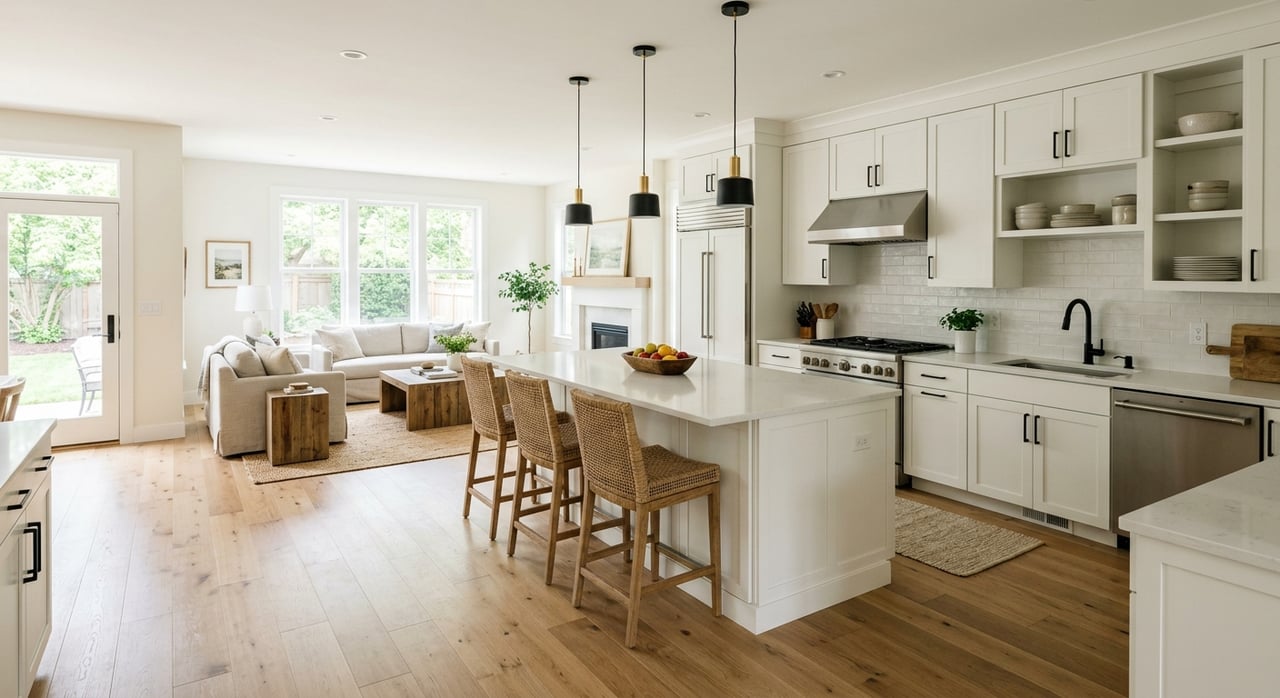
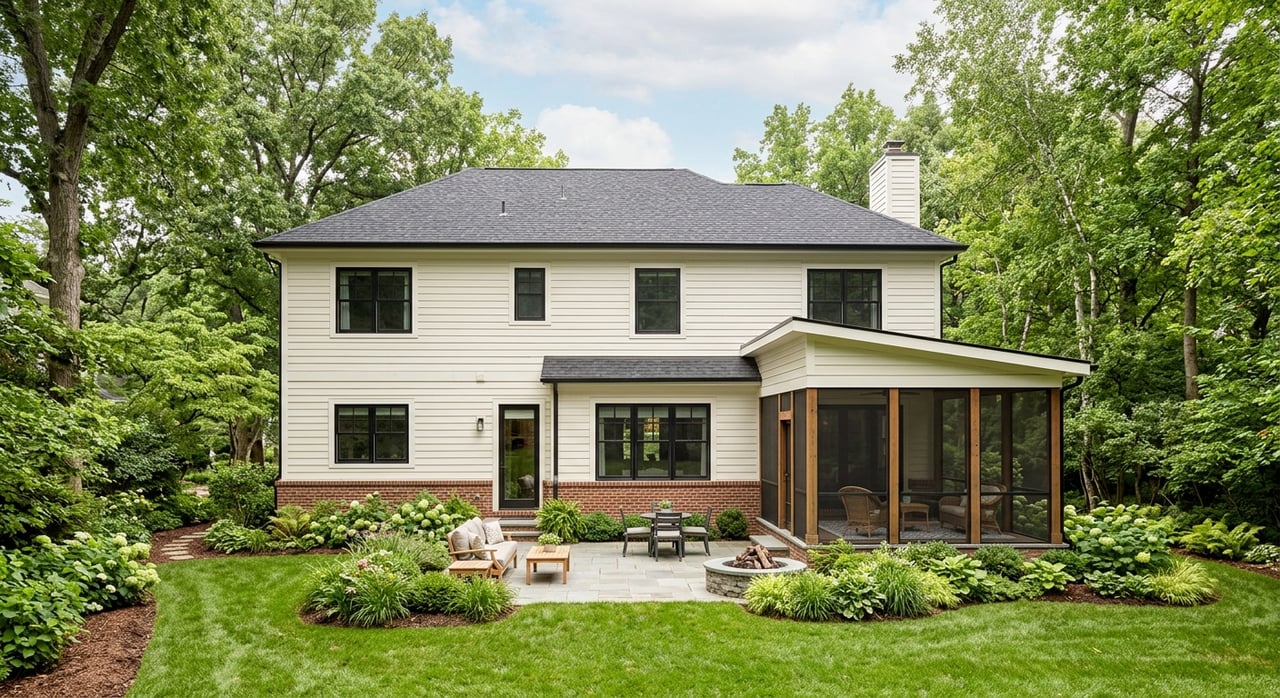
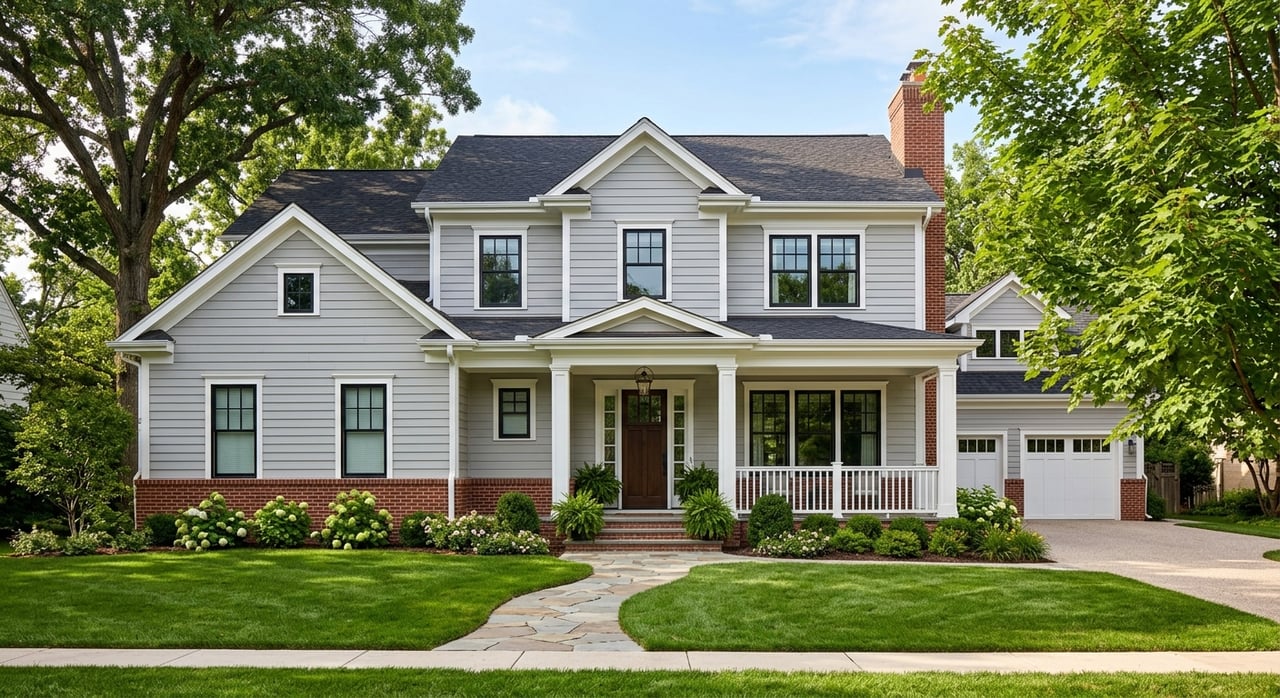
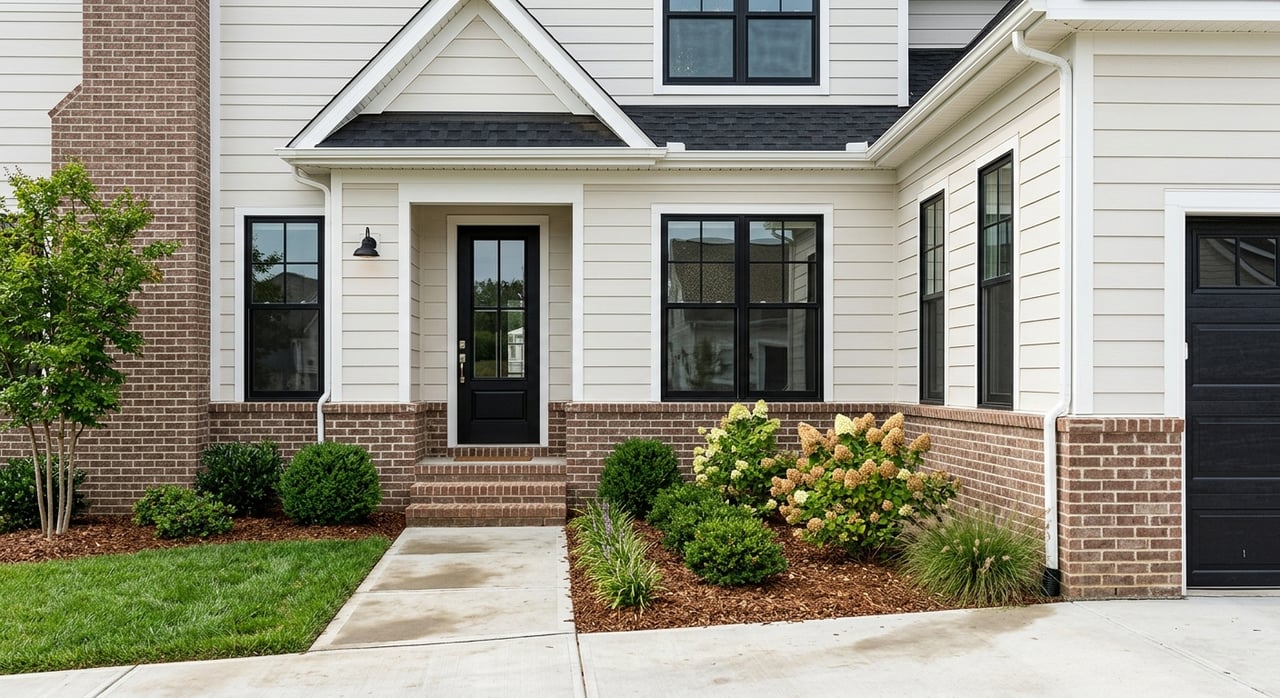
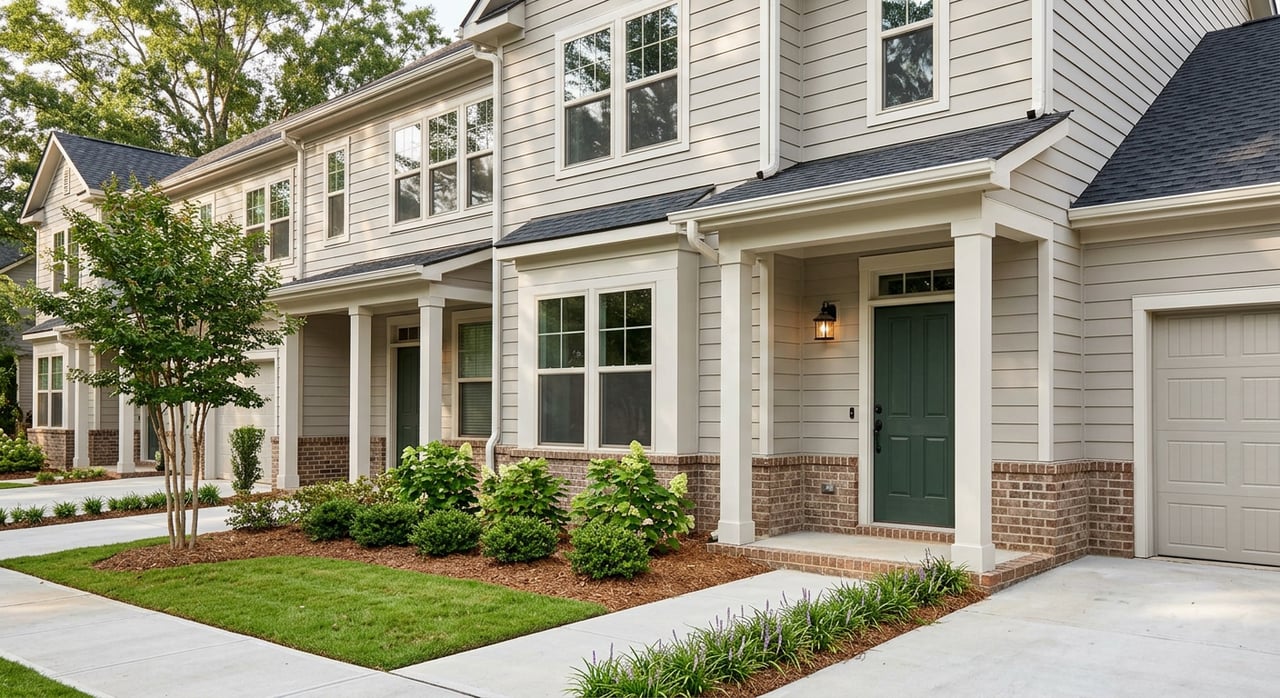
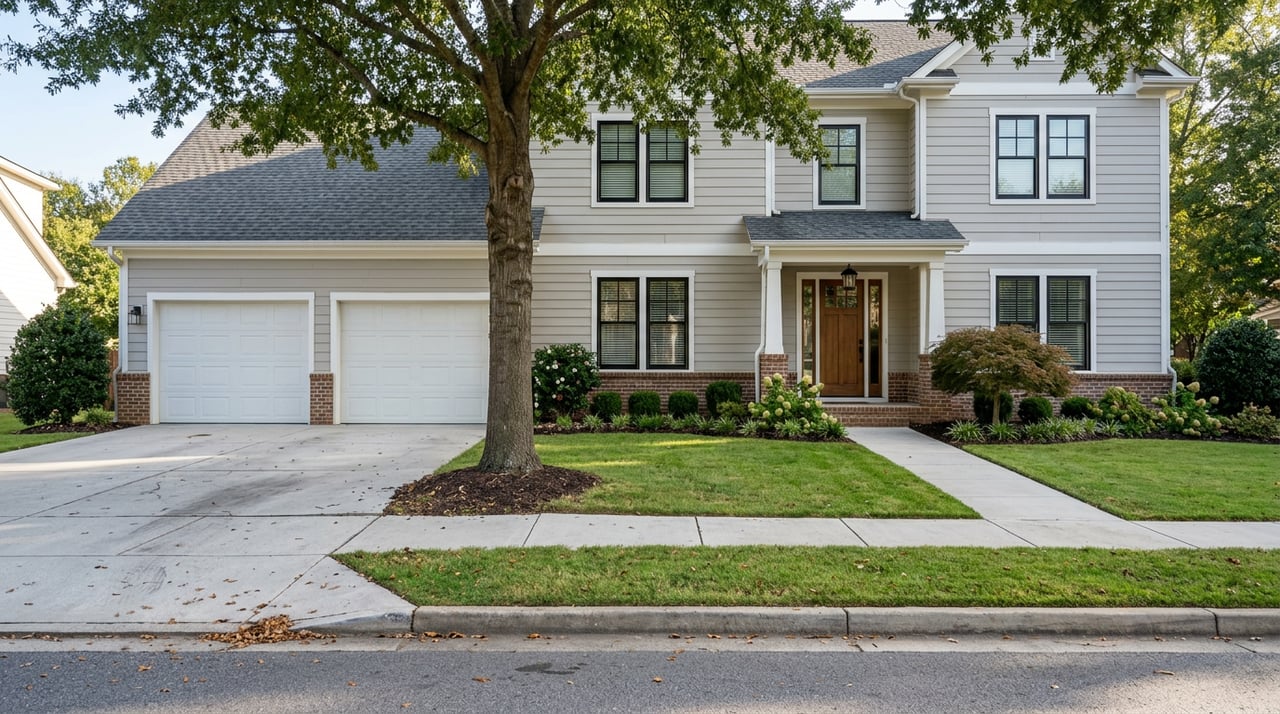
Housing options range from historic cottages near downtown to spacious suburban neighborhoods built from the late 1990s to today. Many subdivisions have homeowners’ associations and shared amenities. Newer mixed-use areas continue to evolve as growth brings more residential and commercial development.
Apex is generally perceived as a safe community. For specific statistics and trends, review information from the Apex Police Department and federal crime reporting resources. Town services like trash, recycling, water, and stormwater are handled by local departments or the county depending on location.
Growth brings both benefits and friction. You gain more amenities and services, but you also see busier roads and changing school enrollment patterns. The town’s car-first layout means peak-period slowdowns near key interchanges are part of life, especially on routes toward Raleigh and RTP.
Use these tips to make a confident move:
If you want a small-town feel with access to Triangle jobs and airports, Apex delivers. Daily life leans car-oriented, yet downtown, parks, and greenways give you ways to unplug close to home. Families and remote workers appreciate the variety of neighborhoods and the growing amenity base. If you plan around commute windows and school zones, you can set yourself up for a smooth transition.
Ready to explore neighborhoods that match your routines, budget, and goals? Schedule your free consultation with veteran-led, local advisors who know the streets, the schools, and the trade-offs. Reach out to Dylan Hale to start a tailored plan for your move.
Stay up to date on the latest real estate trends.
Whether it’s your first home or your next big move, Dylan Hale brings the drive, heart, and strategy to make it happen.