Thinking about buying in Morrisville and wondering if life inside a homeowners association fits you better than a home with no HOA? You are not alone. With so many master-planned neighborhoods near RTP and RDU, it is smart to understand how rules, dues, and amenities line up with your budget and lifestyle. In this guide, you will learn how HOAs work in North Carolina, what to expect in Morrisville communities, how costs compare, and the exact steps to review documents before you make an offer. Let’s dive in.
HOA vs. no HOA at a glance
- HOA communities offer shared upkeep and amenities in exchange for rules and assessments.
- No-HOA homes give you more control and flexibility, but all maintenance is on you.
- Your best choice depends on your tolerance for rules, your time for upkeep, and how you value amenities and predictable costs.
What HOAs look like in Morrisville
Governance and documents
Most Morrisville neighborhoods with HOAs have a board of directors elected by owners. Larger communities often hire a professional management company. The authority to set rules and collect dues comes from recorded documents such as the Declaration of Covenants, Conditions and Restrictions, bylaws, and rules and regulations. In North Carolina, these documents work alongside state statutes that give associations powers to levy assessments, adopt rules, and enforce covenants according to specific procedures.
Common rules you will see
Expect standards for exterior changes, landscaping, parking, and signs. Many communities require architectural review before you add a fence, change a paint color, or install a shed. Parking rules may limit RVs, boats, or commercial vehicles. Rental policies vary by community, with some setting minimum lease terms or other conditions. Townhome and condo HOAs often handle exterior maintenance; single-family HOAs may focus mainly on common areas.
Amenities and dues reality
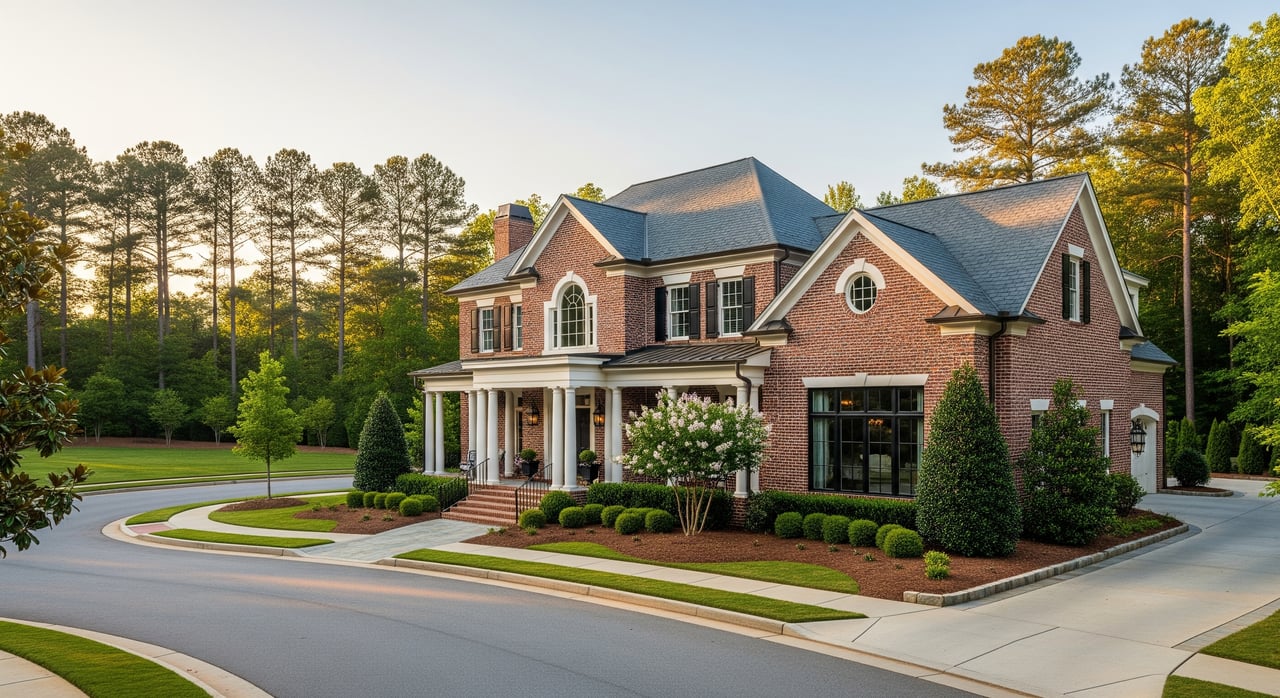
Around Morrisville, many newer or master-planned communities include pools, clubhouses, fitness rooms, trails, playgrounds, and landscaped entries. Dues reflect the level of service. A community with more amenities and exterior maintenance usually carries higher assessments and a greater need for reserves to fund long-term repairs. A well-funded HOA with a sound reserve plan can reduce surprise costs. A poorly funded HOA may rely on special assessments for big projects.
Cost and maintenance tradeoffs
What dues cover in an HOA
HOA assessments typically fund common-area landscaping, amenity upkeep, management and administrative costs, insurance for common elements, and reserves for future repairs such as paving or pool equipment. Townhome or condo dues may also cover portions of exterior maintenance.
No-HOA budget line items
If you buy outside an HOA, you will budget for all maintenance directly. That can include lawn care, landscaping, tree service, roof and siding repairs, driveway sealing or replacement, and any private amenity upkeep you add. You control when and how work gets done, but the timing and cost are your responsibility.
Predictability vs. flexibility
- HOA: More predictable monthly or quarterly costs, community standards that can help stabilize appearance and value, but you agree to rules and enforcement.
- No HOA: Maximum control of your property, potential savings if you prefer to DIY or shop services, but less predictability and no shared oversight of neighboring properties.
Resale, financing, and insurance considerations
Resale signals to watch
Well-run HOAs with clean common areas, transparent budgets, and active reserve funding can be attractive to buyers who want convenience and amenities. The opposite is true if dues are high relative to services, if special assessments are frequent, or if meeting minutes show ongoing conflicts or litigation. Rental rules can also influence future marketability depending on a buyer’s plans.
Loan and insurer questions
Planned single-family HOAs generally fit smoothly with conventional financing. Condominiums may face extra approval steps for certain loan types, and lenders look at association health, including delinquency rates and litigation. It is smart to ask your lender early about any project-level issues that could affect your loan.
Taxes and coverage clarity
HOA dues for a primary residence are generally not tax-deductible. In condos and many townhome communities, the association policy covers common areas and sometimes building exteriors. You will still need your own policy for anything not covered. Make sure you understand the boundaries of coverage before you bind your insurance.
How to evaluate a specific HOA in Morrisville
Documents to request before or with an offer
Ask the seller or listing agent for the full association packet. Review:
- Declaration of Covenants, Conditions and Restrictions (CC&Rs)
- Bylaws and Articles of Incorporation
- Current rules and regulations
- Most recent annual budget and financials
- Reserve study or reserve funding policy and current reserve balance
- Assessment schedule and history of special assessments over 5 to 10 years
- Meeting minutes from the last 12 months
- Management contract if professionally managed
- Association insurance declarations
- Delinquency policy and current delinquency rate
- Any disclosure of pending claims or litigation
- Rental restrictions and any relevant rental history
Questions to ask on tour or during due diligence
- What do dues cover exactly, and what will you still pay for yourself?
- Are there planned capital projects in the next 1 to 5 years? How will they be funded?
- What is the reserve balance and is there a current reserve study?
- How often have dues increased and by how much historically?
- Are any special assessments planned or recently completed? Why?
- What are the rental and lease rules?
- Who enforces rules and what are typical fines for violations?
- Is the community professionally managed? Who is the point of contact?
- Are there known recurring issues such as drainage or pavement repairs?
- Any recent insurance claims or significant litigation?
Red flags to treat with caution
- Limited or missing financial statements
- Little or no reserve funding relative to upcoming capital needs
- Repeated or large special assessments in recent years
- High assessment delinquency among owners
- Ongoing or frequent litigation
- Rules that conflict with how you plan to use the home
Decision worksheet: score what matters
Use this simple scoring tool to compare HOA and no-HOA options. For each category, rate 1 to 5, then multiply by an importance weight from 1 to 3. Add totals to compare properties on an apples-to-apples basis.
- Lifestyle fit: quiet streets, shared amenities, and overall feel
- Budget predictability: comfort with dues versus variable costs
- Maintenance relief: value of exterior and landscape services
- Architectural control tolerance: comfort with approvals and standards
- Amenities value: how often you will use pool, trails, clubhouse
- Rental flexibility: alignment with your current or future plans
- Resale outlook: perceived stability based on reserves, rules, and upkeep
- Commute and location: proximity to your daily routes and destinations
- Confidence after review: comfort level after reading minutes and financials
How to use it:
- Assign each category a weight from 1 to 3.
- Score each property 1 to 5 per category.
- Multiply score by weight, then total all categories for each property.
- Keep a notes column for anything unique, such as a pending assessment.
Quick checklist to print
- Request: CC&Rs, bylaws, rules, budget, reserve study, last 12 months of minutes, insurance declarations, delinquency percentage, assessment history, and any litigation disclosure.
- On tour: check common-area condition, signage about rules, and amenity upkeep. Ask how often dues have increased and whether recent special assessments occurred.
- If you plan to rent: verify rental limits, minimum lease terms, and any owner-occupancy rules.
- Before close: confirm what the HOA insures, your personal insurance needs, and upcoming capital projects.
Next steps before you write an offer
- During the first visit, note parking rules, landscaping standards, and amenity condition.
- Ask for the HOA packet right away or include delivery of it as a contract contingency.
- Review the budget, reserve study, and minutes promptly. Flag questions for your agent or attorney.
- Get a clear breakdown of what dues cover versus expenses you will handle.
- Loop in your lender early about any project-level concerns, especially condos.
- If needed, include contingencies for satisfactory HOA document review and financing.
- If you are serious, ask to speak with the manager or a board member to clarify key items.
Is an HOA right for you in Morrisville?
If your calendar is packed and you value shared amenities, an HOA may be a great fit. If you want maximum control over your exterior choices and do not mind handling maintenance, a no-HOA property can be the better path. In Morrisville, you will find strong options in both categories. The right move is to review the documents, run the numbers, and choose the lifestyle that fits your day-to-day routine.
Ready to compare homes side by side and review real HOA packets together? Connect with Dylan Hale for local guidance and a clear plan.
FAQs
What does a typical Morrisville HOA fee cover?
- Dues usually fund common-area landscaping, amenity upkeep, management, insurance for shared elements, and reserves for major repairs; townhomes or condos may include some exterior maintenance.
Can I rent out a Morrisville home in an HOA?
- Rental policies vary by community, so review the rules for minimum lease terms, any rental caps, and required approvals before you rely on rental income.
How do special assessments work in North Carolina HOAs?
- Associations can levy one-time assessments for large projects when reserves are not sufficient, based on procedures in the covenants and applicable state law.
Do lenders treat condos differently from single-family HOAs in NC?
- Yes, condos can require additional project-level review for certain loan types, and lenders may look closely at reserves, delinquency rates, and litigation before approval.
Which documents should I review before buying into an HOA in Morrisville?
- Ask for CC&Rs, bylaws, rules, current budget and financials, reserve study, assessment history, minutes, insurance declarations, delinquency data, and any litigation disclosures.
How do I compare total cost for HOA vs. no HOA in Morrisville?
- Add HOA dues and likely special assessment risk, then compare to out-of-pocket costs for landscaping, exterior maintenance, and repairs for a no-HOA home to see true monthly impact.