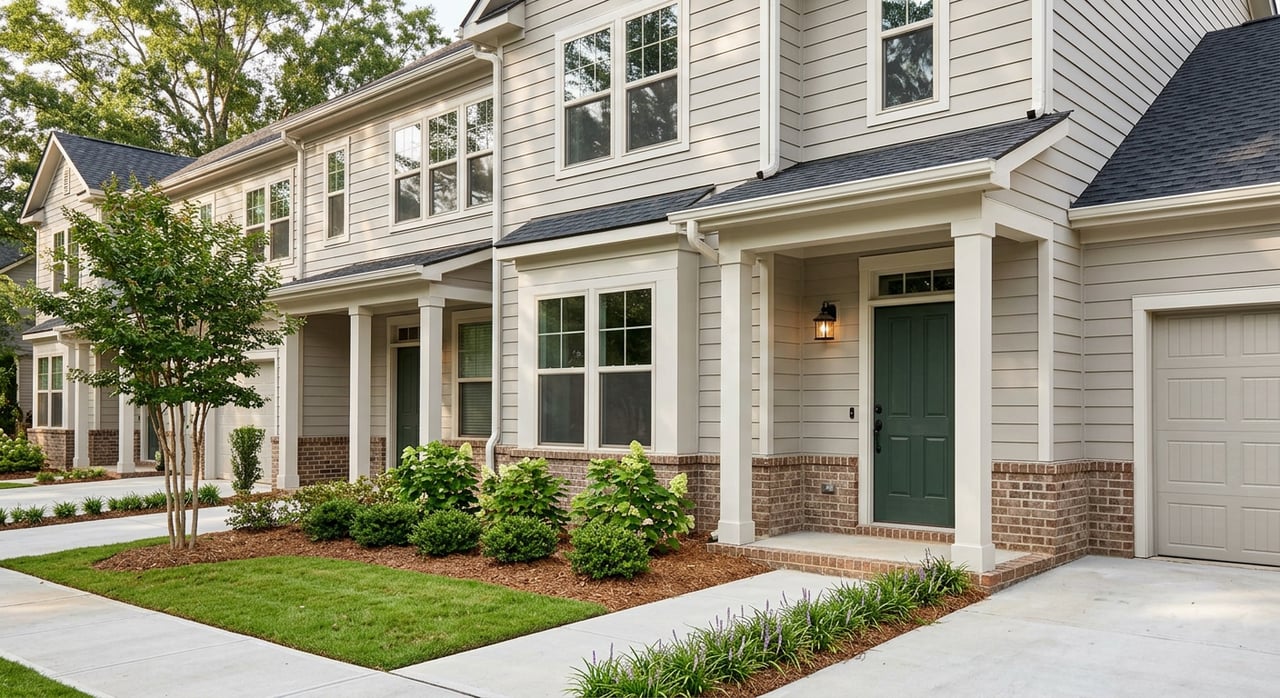
Cary Townhome vs Single-Family House: How to Decide
March 24, 2026
March 24, 2026
Trying to choose between a townhome and a single-family home in Cary? You are not alone. Both options can fit well in Wake County, but the right choice depends on how you want to live, what you want to maintain, and how the numbers pencil out. In this guide, you will compare costs, HOAs, taxes, and lifestyle tradeoffs specific to Cary so you can move forward with confidence. Let’s dive in.
Cary’s pricing sits on the higher side of the Triangle and varies by neighborhood, lot size, and amenities. Market trackers often show different medians because they use different boundaries and methods. You can see real-time snapshots from sources like Redfin’s Cary market page, Realtor.com’s Cary overview, and ATTOM’s Cary data.
For broader context, the Triangle moved from the rapid pace of 2020–2022 to a more balanced setup by 2025–2026, with strong neighborhoods still commanding premiums. Axios’ Triangle outlook offers a helpful big-picture view. Use the live pages above to check current medians as you compare home types.
Cary’s Land Development Ordinance shapes what gets built and where. Higher density housing like townhomes usually appears in mixed-use or medium-density districts near activity centers and transit corridors. Lower density single-family homes are common where the code sets larger minimum lots. You can see district definitions in the Town of Cary LDO.
Town staff reports also show how mixed communities come together in practice. One example plan includes a townhome section alongside a detached-home section, with the single-family portion showing a minimum lot size of 5,000 square feet in that plan. This illustrates how Cary sets different footprints and densities on the same site. Review an example staff report to see how these tradeoffs appear on real projects in Cary (staff report example).
Many Cary townhome neighborhoods include a homeowners association that manages common areas and community rules. In North Carolina, the Planned Community Act, Chapter 47F governs how these associations operate. That law covers governance, assessments, records, and owner voting rights, which affect your dues and your responsibilities.
Financing can differ by project type. FHA and other loan programs treat townhouses, planned unit developments, and condominiums differently. Some condo projects require project approval for FHA financing, while many fee-simple townhouses do not. Review the HUD Single-Family Handbook resources and confirm eligibility for a specific community with your lender early in the process.
HOA dues vary by product and amenities. In many townhome or condo settings, dues often cover common-area landscaping, exterior maintenance, private streets and lighting, amenities like pools or clubhouses, management, insurance for shared elements, and reserves for long-term projects. A consumer-friendly overview of typical coverage and fee drivers is available from HomeLight’s explainer.
Local Cary listings often show townhome dues in the low hundreds per month. For example, one active area listing reported an HOA of about 180 dollars per month, which is consistent with many townhome communities that handle exterior upkeep. Always verify the actual scope of services in the HOA documents.
Before you make an offer, request the full association packet so you can review:
These items help you spot risks and understand what your dues really buy. You can learn how master policies work and what owners cover with their own insurance in this reviews.com guide to master policy types.
A common rule of thumb is to budget 1 to 3 percent of the home’s value per year for maintenance, with older homes or higher-end finishes leaning higher. This simple benchmark helps you compare home types on an apples-to-apples basis. See the overview on ownership costs from AmeriSave.
Your bill includes multiple pieces: Wake County, the Town of Cary, and other levies. The Town of Cary increased its municipal rate to 34 cents per 100 dollars of value for the 2026 fiscal year, which affects the town portion of your bill. You can read about that change in Indy Week’s coverage. Your total property tax will be higher than the town line alone because it includes the county and other items.
Insurance depends on how the property is structured. In some condo or townhome associations, the master policy may cover the building shell, and you carry an HO-6 policy for interiors and personal property. If you own a fee-simple townhome or a detached single-family home, you typically carry an HO-3 policy that covers the dwelling and contents. Always confirm whether the association’s master policy is bare-walls, walls-in, or all-in, and note deductibles. For a plain-English overview, see this insurance guide to master policies.
Below are illustrations to help you compare a townhome and a single-family home. These are not quotes. They are examples to show how each line item affects your monthly budget. Confirm your exact numbers with your lender, insurer, and tax office.
Assumptions used in both examples
Example A: $475,000 Cary townhome
Example B: $650,000 Cary single-family home
These examples highlight two key tradeoffs. Townhomes often carry HOA dues but can reduce owner chores and sometimes insurance costs. Detached homes usually mean more control, a private yard, and a broader buyer pool, with more maintenance and potentially higher carrying costs.
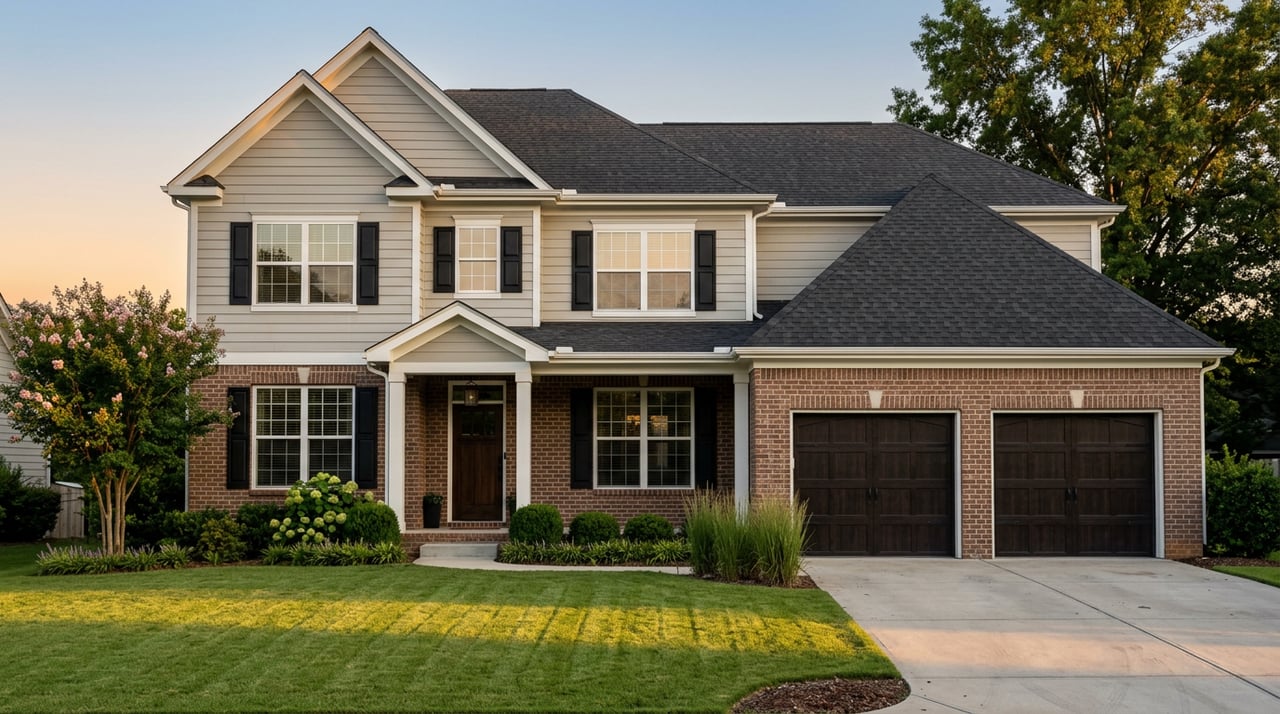
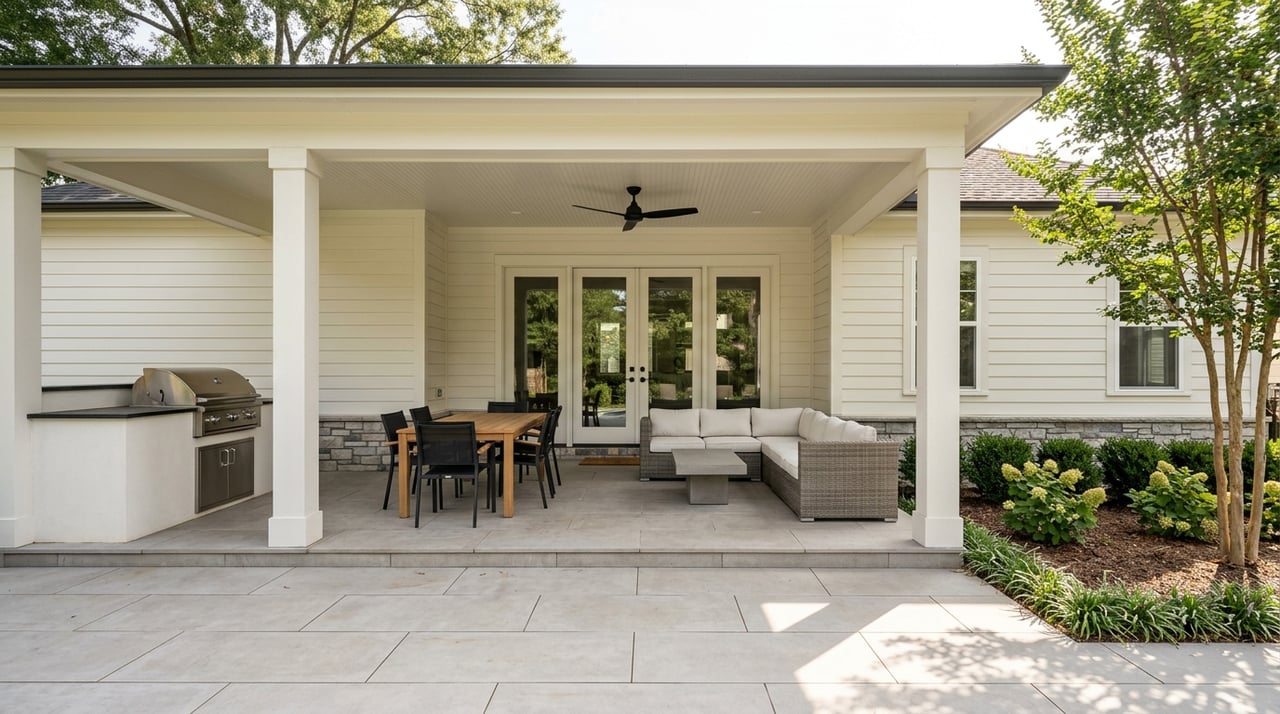
Townhomes share at least one wall, so side-to-side privacy is different than a detached home. Many townhomes provide a small patio or fenced yard, while single-family lots usually offer more private outdoor space. Lot geometry and setbacks vary by zoning district, which you can review in the Cary LDO.
Location is often the big swing factor. Cary places many townhome communities near activity centers and infill sites, making it easier to reach shopping and services. Regional commute times average in the low to mid 20 minutes, which helps explain the draw of denser neighborhoods near job centers and amenities. See regional commute data in DataUSA’s profile.
Long-term value depends most on location, land, and neighborhood supply, not just whether a home is attached or detached. Detached homes often command a premium because you own the land and appeal to a broad buyer pool. Well-located townhomes can perform just as well when supply is limited and amenities are strong. Keep tabs on neighborhood comps and live medians in Cary using Redfin’s market page and similar trackers.
If you plan to rent your home in the future, always check HOA leasing rules before you buy. If you think you will add on or modify outdoor space later, confirm covenants, setbacks, and any architectural review steps.
Use this flow to clarify what fits you best:
You deserve a clear plan and a steady advocate. If you want a side-by-side comparison of specific Cary homes, HOA documents reviewed, and numbers tailored to your budget, let’s talk. Dylan Hale can walk you through neighborhoods, HOA implications, and financing considerations so you can buy with confidence. Schedule your free consultation.
Stay up to date on the latest real estate trends.



Whether it’s your first home or your next big move, Dylan Hale brings the drive, heart, and strategy to make it happen.