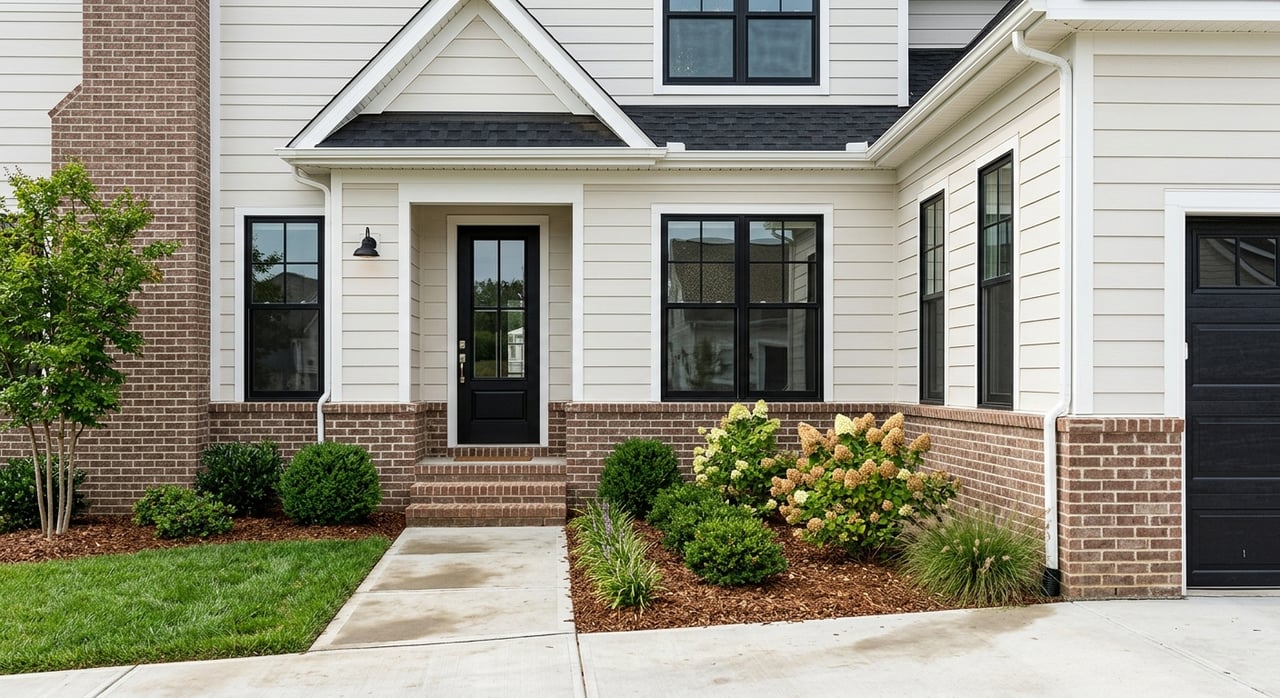
Key Things to Know About Durham New Construction Homes
April 2, 2026
April 2, 2026
Thinking about buying a brand-new home in Durham? New construction can be exciting because you may get modern layouts, new systems, and a chance to choose certain finishes, but it also comes with a different contract, timeline, and inspection process than a typical resale home. If you want to buy with confidence, it helps to understand how Durham permits, North Carolina contracts, and builder processes can affect your purchase. Let’s dive in.
New construction is active in Durham, and that matters if you are hoping for more inventory choices. The City of Durham’s monthly construction activity reports have shown ongoing new residential activity, including single-family homes and townhomes from several national and regional builders.
That activity can create more options for buyers, but it does not mean every new home is the same. Some homes are quick move-in properties, while others may still be in early construction stages, with timelines and finish selections that can change along the way.
In Durham, residential permits, plan review, inspections, and Certificates of Compliance are handled through City-County Building and Safety. For new primary residential structures, permit applications are submitted through Dplans, and the city notes that applications may expire if they are not completed to issued status within six months.
Depending on the lot and location, a project may also need more than just a building permit. The city notes that some projects may require zoning review, site plan review, annexation, floodplain development permits, or a Certificate of Appropriateness in historic areas.
For you as a buyer, the takeaway is simple: a new home is not just about the floor plan. The lot, approvals, and construction status can affect timing, closing expectations, and even whether certain improvements are finished when you move in.
In North Carolina, many builder sales use the standard new construction contract form 800-T for spec or custom single-family homes on land owned, or to be owned, by the seller. This form is built around plans, specifications, allowances, change orders, and a pre-construction evaluation period.
That is a major difference from a resale contract. Instead of buying a home exactly as it sits today, you may be agreeing to a home based on drawings, material selections, and allowance amounts that shape what gets delivered at closing.
Your contract should clearly spell out what is included. That can include:
If something matters to you, it should be in writing. The contract form makes clear that final cost can change when allowances or change orders change, so verbal promises are not enough.
Changes often cost more time and money. Under the contract, change orders should be written, and delays can happen because of buyer-requested changes, material shortages, weather, transportation issues, or other events outside the builder’s control.
If you expect to personalize your home, ask early how the builder handles upgrades and revisions. A clean process now can prevent confusion later.
One of the most important new construction terms is substantial completion. Under the North Carolina form, that generally means the home is habitable, broom-clean, and has received its certificate of occupancy, with only punch-list items left to finish.
That does not always mean every minor item is complete before closing. In many cases, settlement happens within 14 days of substantial completion unless the parties agree otherwise, so you want to understand what work may still remain when you reach the finish line.
A new construction timeline can feel less predictable than a resale purchase. Even with a target completion date, builder delays can happen for reasons specifically recognized in the contract, including supply issues, weather, change orders, and transportation delays.
Durham’s local approval process can also affect timing. The city states that planning sign-off for a Certificate of Compliance or occupancy is generally completed within two working days after the request is entered, but that step still depends on the project reaching the point where it is ready for review.
If you are planning a lease end, job relocation, or sale of your current home, build in breathing room. A little flexibility can save a lot of stress.
A common mistake is assuming a new home does not need an independent inspection. It absolutely can.
North Carolina requires licensed home inspectors, written inspection contracts, and written reports with a summary page. Inspectors must explain defects, what they may mean, and suggested next steps.
The new construction contract also allows buyers and their agents reasonable access through closing or possession to inspect the home, verify repairs or change orders, and complete a final walk-through. That gives you the chance to look closely at the property before closing, even though it is newly built.
For many buyers, these are the most useful times to inspect:
If an inspector flags an issue that needs more expertise, the next step is usually a licensed contractor or trade specialist.
North Carolina uses a due diligence system that surprises many buyers. According to the North Carolina Real Estate Commission, the due diligence fee is typically paid when the contract is executed, credited to you at closing if the sale closes, and usually retained by the seller if you terminate during the due diligence period.
That same guidance warns that the fee is generally not refundable, even if an inspection reveals defects. In other words, you need to understand the risk before you sign.
If a broker handles the due diligence fee, NCREC says the broker may hold it only for delivery to the seller or escrow agent and should not keep it more than three business days after contract acceptance. That process is explained in NCREC guidance on due diligence deposits.
Before you move forward, verify the builder’s credentials and the project’s paperwork. The North Carolina Licensing Board for General Contractors recommends confirming the builder’s license, checking permits, and making sure the written contract covers the work, materials, payment schedule, completion date, permit responsibility, insurance, warranty, and cancellation rights.
That same guidance states that a general contractor must be licensed for projects valued at $40,000 or more. This is one of those behind-the-scenes checks that can help you avoid major problems later.
With a first sale of a dwelling that has never been inhabited, North Carolina law says the standard residential property disclosure statement is generally not required. However, the mineral and oil and gas rights disclosure rules still apply.
That means you may not receive the same type of property condition disclosure package you would expect on a resale home. It is another reason why reviewing the contract, warranty terms, and inspection opportunities is so important.
Builder sales reps can be helpful, but you should know who they represent. North Carolina forms and guidance recognize different agency relationships, including exclusive representation, dual agency, and designated dual agency.
Buyers should ask whether the builder’s on-site representative works only for the builder and whether their own agent is acting as an exclusive buyer representative. The NC working-with-agents framework also notes that buyers working with a broker must have a written agreement before touring a home under 2024 settlement rules for MLS participants.
This matters because new construction contracts often involve builder-specific terms, milestone payments, upgrade pricing, and timeline issues that deserve careful review.
When you are considering a new construction home in Durham, ask direct questions early. Good questions include:
One more practical note from the contract itself: government authority over taxes, zoning, utilities, school assignments, and mail delivery may not always match the street address used in marketing. It is smart to verify the parcel and service territory rather than assume the address tells the whole story.
Buying new construction in Durham can be a great option if you want newer materials, lower maintenance in the near term, and a home designed for how people live today. The tradeoff is that the process usually requires more attention to paperwork, timelines, permits, inspections, and builder terms than a standard resale purchase.
That is where steady guidance matters. If you want help comparing builders, reviewing the big questions before you sign, and navigating the process with a clear plan, connect with Dylan Hale for service-first, local guidance built around your goals.
Stay up to date on the latest real estate trends.



Whether it’s your first home or your next big move, Dylan Hale brings the drive, heart, and strategy to make it happen.