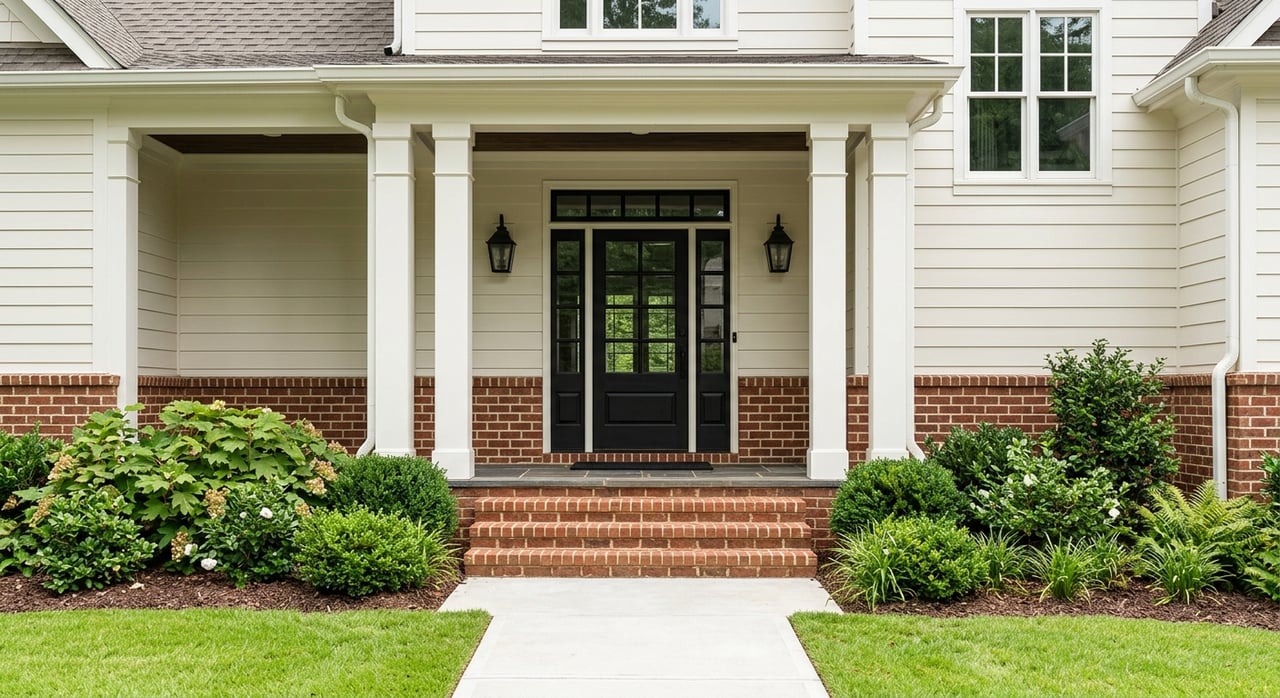
Your Raleigh First-Time Homebuyer Roadmap
May 14, 2026
May 14, 2026
Buying your first home in Raleigh can feel exciting right up until the process starts throwing around terms like preapproval, due diligence, earnest money, and closing disclosure. If you are trying to make smart decisions without getting overwhelmed, you are not alone. This roadmap will walk you through how first-time homebuying works in Raleigh and across North Carolina, what costs to expect, and where local assistance may fit in. Let’s dive in.
Before you tour homes, get clear on what you can comfortably afford each month. In North Carolina, your housing payment may include principal, interest, property taxes, hazard insurance, and possibly mortgage insurance if your down payment is under 20%.
That matters because the sticker price is only part of the picture. A home that looks affordable at first glance can feel different once you add taxes, insurance, and other monthly costs. Starting with a realistic budget helps you shop with confidence instead of stress.
As a first-time buyer, you should plan for more than just a down payment. Your total cash to close can include:
This is one of the biggest reasons buyers benefit from preparing early. When you know your likely upfront costs before you make an offer, you can move faster and avoid last-minute surprises.
Raleigh offers homebuyer assistance programs that may help with down payment, closing costs, or financing gaps through zero-interest deferred loans. According to the city, these programs are for first-time homebuyers earning no more than 80% of area median income, and buyers must complete a homeownership class and work with an approved lender.
The city also notes that eligible buyers may be able to combine city assistance with programs from the North Carolina Housing Finance Agency. That can make a meaningful difference if your biggest challenge is getting enough cash together for closing.
The North Carolina Housing Finance Agency offers statewide options that first-time buyers in Raleigh should know about. NC Home Advantage Mortgage offers up to 3% down payment assistance, and the NC 1st Home Advantage Down Payment provides $15,000 for eligible first-time buyers and military veterans.
NCHFA defines a first-time buyer as someone who has not owned a principal residence in the past three years. It also says NC Home Advantage may be available to repeat buyers, with approved lenders able to work in any county in the state. For NC Home Advantage, the statewide income limit is $126,000, while home price limits depend on the loan type used.
One of the smartest moves you can make is to compare lenders before you fall in love with a house. Preparing early gives you time to check your credit, track spending, gather paperwork, and decide what price range makes sense for your goals.
It also gives you a better feel for your loan options. When you understand your financing before the search gets urgent, you can make stronger decisions and write a cleaner offer.
The CFPB recommends asking at least three lenders for Loan Estimates using the same loan terms so you can compare costs and features side by side. You do not need a signed contract on a home to get a Loan Estimate, which makes this step especially useful early in the process.
Later, you will receive a Closing Disclosure with the final details of your loan. That gives you a second chance to compare numbers and ask questions before closing.
The basic homebuying sequence in North Carolina is straightforward, but some details are unique to this state. In general, you will organize finances, compare lenders, tour homes, review disclosures, make a written offer, complete due diligence tasks, and then close with a North Carolina attorney supervising the title and recording work.
That middle part matters a lot. North Carolina handles contracts and due diligence differently than many other states, so first-time buyers need to understand those steps before they are under pressure.
In North Carolina, the purchase contract must be written and signed to be enforceable. Before an offer is made, most sellers of residential property must provide a Residential Property and Owners’ Association Disclosure Statement along with a mineral and oil and gas rights disclosure.
On the property disclosure, a seller may answer yes, no, or no representation. Even so, known material facts still must be disclosed separately by the broker. For you as a buyer, that means disclosures are important, but they do not replace your own investigation.
If you are buying in Raleigh, this is the concept you need to understand most clearly. The due diligence period is the negotiated window of time after the contract becomes effective when you investigate the property and the transaction.
During that period, you can inspect the home, work through financing, review title matters, negotiate repairs, and decide whether to move forward. In North Carolina, you may terminate the contract for any reason or no reason before the due diligence deadline expires.
Common due diligence tasks include:
The length of the due diligence period is negotiable. Because the clock starts on the effective date of the contract, it is important to schedule inspections and lender tasks quickly.
These two items are often confused, but they work differently in North Carolina. The due diligence fee is negotiated, paid by the buyer directly to the seller, and is generally nonrefundable if you terminate during the due diligence period.
Earnest money is different. It is typically held in escrow and is usually returned if you terminate during the due diligence period, but it may be at greater risk once due diligence ends and you are still obligated to close.
No. The North Carolina Real Estate Commission says the standard form does not require a due diligence fee. Even so, buyers may still choose to offer one as part of their contract terms.
That is why it is so important to understand what you are agreeing to before you sign. A clear explanation up front can help you balance competitiveness with risk.
Inspections are one of your strongest tools for reducing risk before closing. In North Carolina, licensed home inspectors must provide a written contract stating the inspection will follow the state Standard of Practice, and the person performing the inspection on site must be licensed.
You should also review the full inspection report, not just the summary. The details often shape your next steps, whether that means asking for repairs, planning future maintenance, or deciding the home is not the right fit.
NC Bar guidance recommends looking beyond the basic home inspection when needed. Depending on the property, buyers may also want to evaluate:
A new survey can be especially useful because it may reveal issues that affect your use of the property and even title insurance coverage. This is one reason due diligence should be treated as a true investigation period, not a formality.
Repair requests are negotiable in North Carolina. A seller is not required to agree to any requested repairs, which means you may need to choose between moving forward as-is or terminating during due diligence.
If repairs are agreed upon, they must be completed in a good and workmanlike manner before settlement. You also have the right to verify repairs and complete a final walk-through, even if the due diligence period has already ended.
North Carolina residential closings are attorney-supervised. A licensed North Carolina attorney must supervise all material aspects of the closing, provide the title opinion, and make sure the deed is properly recorded with the county Register of Deeds.
This is an important part of how the state protects the closing process. It also means your transaction has another professional layer focused on title review and proper recording.
You should receive the Closing Disclosure at least three business days before closing. This form shows the final details of your mortgage loan and gives you time to compare those numbers with your earlier Loan Estimate.
Use that review window well. If something looks different than expected, ask questions early so errors can be corrected before closing day.
One of the most important truths for first-time buyers in Raleigh is this: a lot of your protection happens before closing, not after. NC Bar guidance warns that buyers may have little or no recourse after closing for problems that could have been found earlier.
That is why the due diligence period deserves your full attention. Careful inspections, document review, financing follow-through, and final verification steps can help you move into your new home with far more confidence.
Buying your first home is a big step, but it does not have to feel chaotic. With a solid budget, the right lender comparisons, a clear understanding of North Carolina due diligence, and steady guidance through closing, you can make informed decisions at every stage. If you want a disciplined, service-first approach to buying in the Triangle, connect with Dylan Hale for a free consultation.
Stay up to date on the latest real estate trends.





Whether it’s your first home or your next big move, Dylan Hale brings the drive, heart, and strategy to make it happen.