Patio and Porch Ideas for Holly Springs Homes
June 18, 2026
June 18, 2026
If you picture life in Holly Springs, chances are the backyard is part of the story. With most homes in town being single-family detached and a high owner-occupied housing rate, outdoor space often works like a true extension of daily living, not just a nice extra. If you are dreaming about a better porch, patio, or yard setup, this guide will walk you through practical outdoor living ideas that fit how many Holly Springs homes are built and how people use them. Let’s dive in.
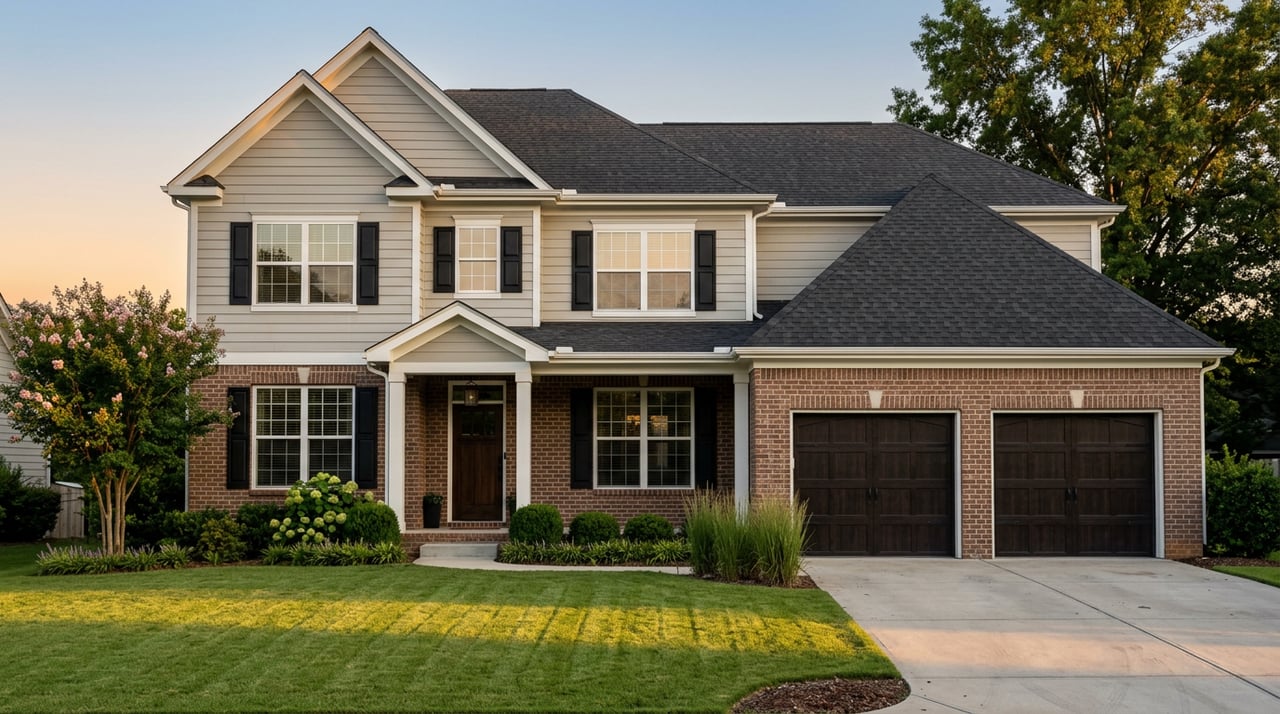
Holly Springs has a housing profile that naturally supports outdoor living. Town data shows that 81% of housing units are single-dwelling detached homes, and Census QuickFacts reports an 80.6% owner-occupied rate. That means many homes have the kind of yard, porch, or patio space where outdoor upgrades can make a real difference in everyday life.
The town also has a strong outdoor culture. Holly Springs continues to expand greenways and sidewalks, and residents have access to places like Bass Lake Park Trails, Jones Park Greenway, Middle Creek Greenway, Veterans Park Greenway, and Sugg Farm. When a community values trails, outdoor events, sports, and gathering spaces, it makes sense for homes to reflect that same lifestyle.
Before you choose furniture or planters, it helps to think about the weather. Using Raleigh-Durham International Airport as a nearby climate proxy, the area averages 61.2 degrees annually and gets about 46.07 inches of rain each year. Summer heat is a real factor, with an average of 52.5 days per year reaching 90 degrees or higher.
That climate makes comfort features especially important. In Holly Springs, the most useful outdoor spaces usually include shade, cover, airflow, and materials that can handle heat and rain. Instead of building for a few perfect days, it makes sense to build for the weather you actually get.
Shade can change how often you use your yard. A patio that feels too hot in July may become a favorite hangout once it has cover overhead. Covered seating areas, pergolas, and well-placed shade trees are practical choices for the long warm season.
If you want a natural option, native shade trees can be a smart fit. NC State Extension lists southern red oak as a native tree useful for shade in residential areas and notes its drought tolerance. Over time, a tree like that can make a yard feel cooler and more established.
Rain is spread throughout the year, with notable totals in July and September. That does not mean you should avoid hardscaping. It means your layout should account for drainage and durable materials.
Simple choices can help a lot. Think about where water moves after a storm, how your patio surface dries, and whether seating areas stay usable when the weather shifts. A beautiful outdoor space works better when it is practical after a summer downpour.
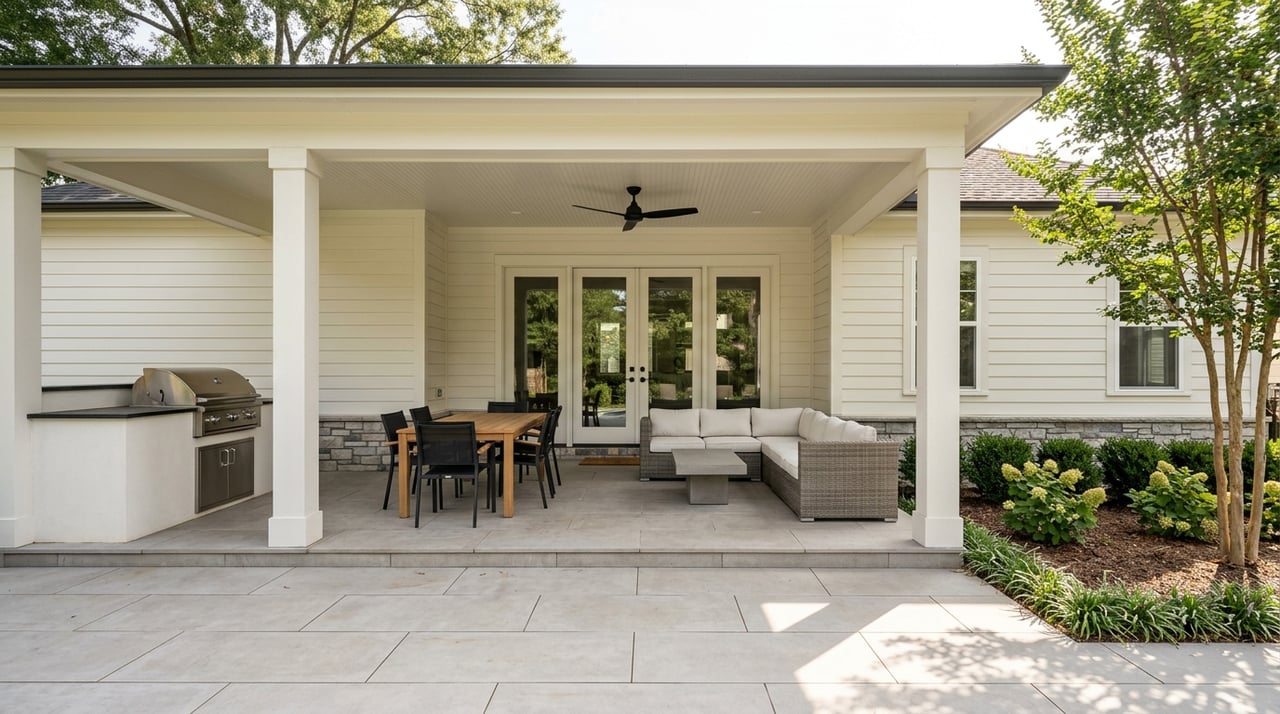
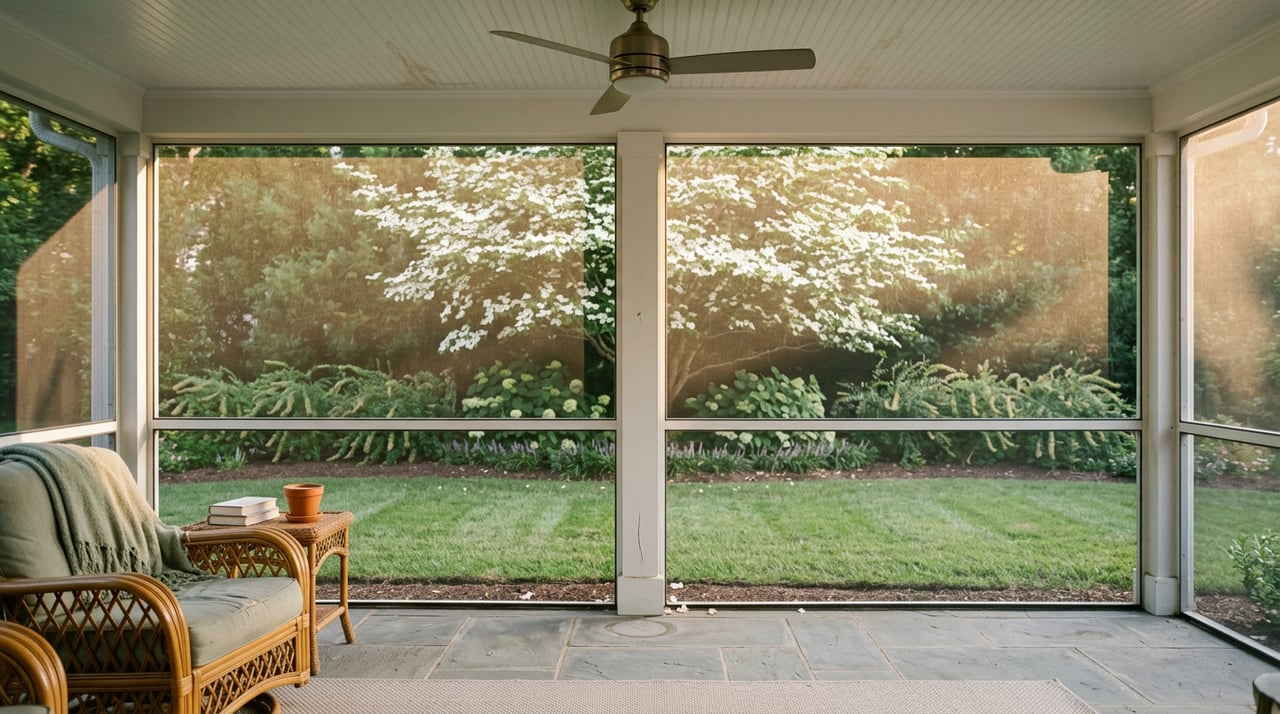
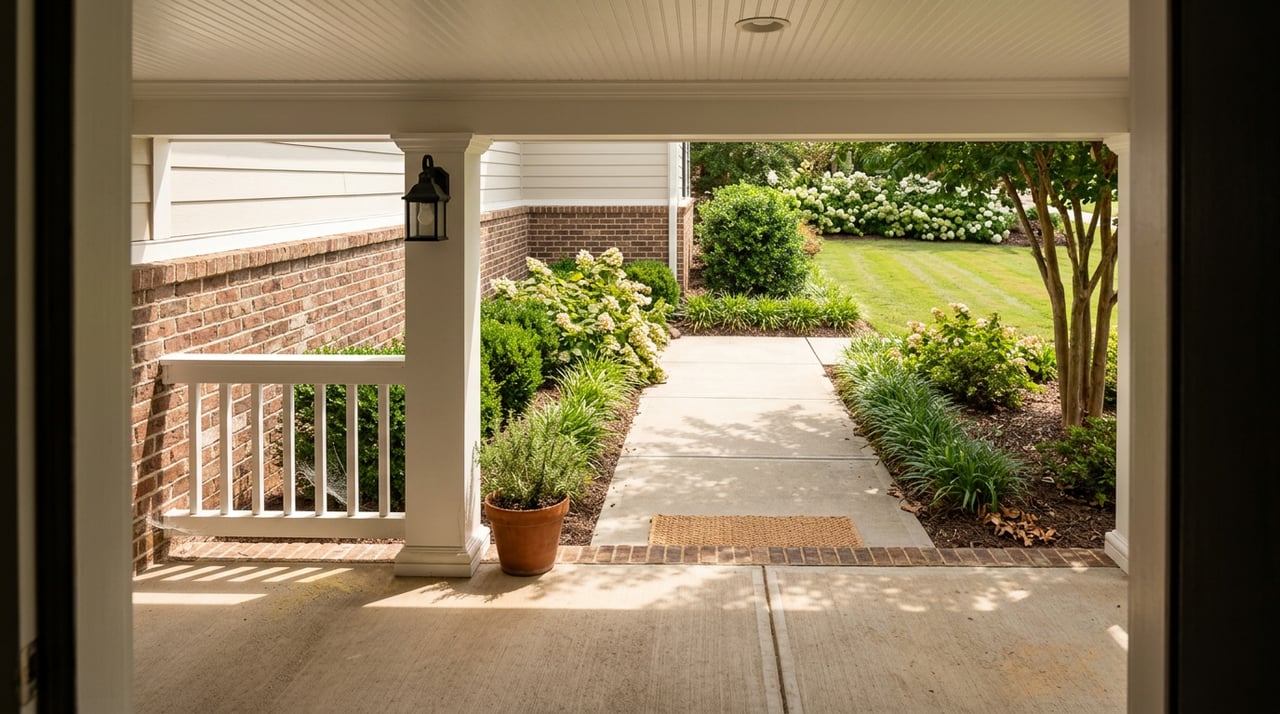
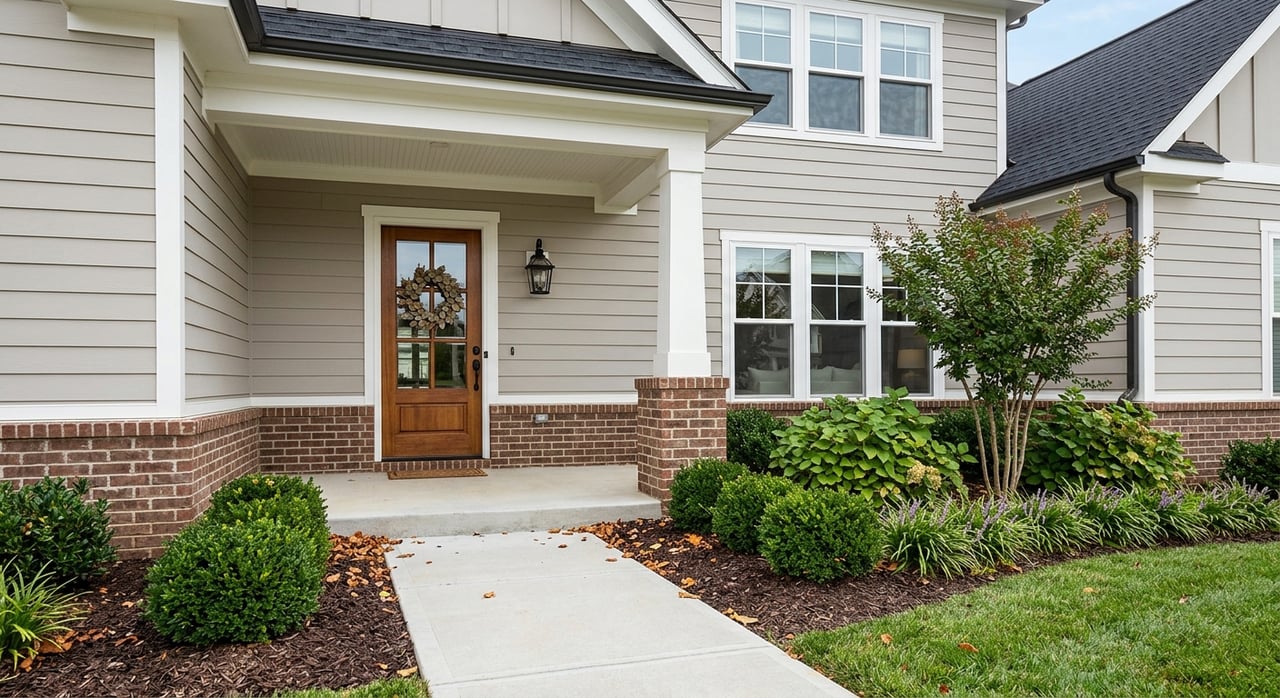
One of the best outdoor living ideas inspired by Holly Springs homes is the screened or covered porch. The town specifically includes screened or covered porches among common residential project types in its homeowner guide. That local detail matters because it shows these spaces are not unusual add-ons here. They are a natural fit for the area.
A screened or covered porch helps you get more use out of your home during hot and rainy months. It can create a comfortable place for morning coffee, casual dinners, reading, or winding down at the end of the day. If you want outdoor living that feels easy and low-stress, this is often the strongest starting point.
A simple porch can still work hard for your household. Focus on features that improve comfort and flexibility.
In a town where many homes have backyards, patios often do more than hold a grill and a table. They can support several parts of your routine at once. Breaking a patio into zones is one of the easiest ways to make it feel more intentional.
You do not need a huge yard to do this well. Even a modest patio can be divided into useful spaces that support how you actually live.
Try building your layout around a few simple uses:
This kind of layout helps the yard feel connected to the house. Instead of one large undefined area, you create outdoor rooms with clear purpose.
Holly Springs public amenities point to a lifestyle built around gathering, play, gardening, and outdoor movement. Sugg Farm includes open space, a community garden, a dog park, greenway connections, and a nature play area and sensory trail. That local context makes family-friendly and pet-friendly backyard design feel especially relevant.
The goal is not to copy a park. It is to create a yard that supports real life at home. A good outdoor setup gives you room to relax while making space for activity too.
You might consider:
These choices can make a backyard feel more usable without making it feel crowded.
Low-maintenance does not have to mean plain. Native planting beds can help a yard feel polished while staying in step with North Carolina conditions. NC State Extension notes that native plants are well-adapted to North Carolina ecosystems, though new plantings still need water during hot, dry periods.
The key is to make naturalized landscaping look planned. NC State also notes that paths, benches, fencing, and other structure can help a landscape feel intentional rather than unfinished. That is useful advice if you want a softer, more relaxed yard without losing visual order.
A few details can pull the whole look together:
For many buyers in Holly Springs, outdoor living is really about usable square footage in a less formal form. It is where you drink coffee before work, host friends on a Saturday, or let the day slow down in the evening. That is especially true in an area where detached homes and larger households make flexible space valuable.
If you are house hunting, pay attention to how a home’s outdoor areas are set up today and how easily they could improve. A basic patio, a porch with good proportions, or a yard with room for shade and planting can offer more potential than flashy features that do not match the climate.
This part is easy to overlook, but it matters. Holly Springs says many home improvement projects require a permit before work begins. Its homeowner guide and permits information list patios, detached pergolas, decks, and screened or covered porches among the outdoor projects that can require permits and inspections.
That is important whether you already own a home or are planning to buy one and renovate later. The town also warns that unpermitted square footage can create problems at sale because work may need to be permitted and inspected before closing. Before making changes, it is worth confirming what the town requires.
When you tour homes in Holly Springs, outdoor living potential should be part of your decision. Look beyond staging and ask whether the space is built for this climate and this style of daily life. A home that supports easy outdoor use may offer more value to your routine than you first expect.
A few things to notice during a showing include shade, privacy, usable yard layout, porch condition, and whether there is natural room for future improvements. In many cases, the best outdoor spaces are not the fanciest ones. They are the ones that feel comfortable, practical, and easy to use.
If you want help finding a Holly Springs home with outdoor space that fits your lifestyle, Dylan Hale offers service-first guidance backed by deep local market knowledge across southwestern Wake County.
Stay up to date on the latest real estate trends.
Whether it’s your first home or your next big move, Dylan Hale brings the drive, heart, and strategy to make it happen.