
Your Step-by-Step Timeline to Sell a Home in Apex NC
June 11, 2026
June 11, 2026
Selling your home in Apex can move faster than many sellers expect, but the smartest sales usually start long before the sign goes in the yard. If you are trying to balance repairs, pricing, paperwork, showings, and your next move, it helps to see the process as a timeline instead of one big event. This step-by-step guide will show you what to do, when to do it, and where sellers in Apex often lose time so you can plan with confidence. Let’s dive in.
Apex is still a relatively active market, but it is not moving at the same breakneck speed many sellers saw in earlier years. Current data points vary, with homes going pending in about 19 days in one source, median days on market around 31 days in another, and roughly 45 days in another. The safest takeaway is that well-prepared homes can move quickly, but buyers are often more selective than they were when inventory was tighter.
The Town of Apex also reported that median days on market rose from 5 to 17 between February 2024 and February 2025, while inventory increased. For you, that means timing matters. If your home needs updates, repairs, or careful coordination with another purchase, starting months ahead can give you more control.
This is your planning phase. Start by choosing your ideal listing month and working backward from that date. If you hope to move during a specific season or align with a job change, school calendar, or new purchase, now is the time to map it out.
You should also begin identifying repairs or projects that could require contractor lead time. Think about larger items like roofing, HVAC concerns, drainage issues, or exterior repairs that cannot be handled in a weekend. Starting early gives you options instead of forcing rushed decisions later.
This is also a good time to begin gathering records that can help your sale go more smoothly. Keep warranties, permits, receipts for major work, HOA details if applicable, and any other home-related documents in one place. A clean file now can save you time once buyers start asking questions.
This is when your selling plan starts to take shape. Interview your listing agent, talk through local pricing strategy, and decide which improvements are worth the cost based on your home, your goals, and current Apex market conditions.
Not every project adds value in the same way. In many cases, sellers get more traction from handling visible maintenance issues and presenting the home well than from taking on expensive renovations right before listing. A focused plan usually beats an oversized to-do list.
If you know about a recurring issue with the property, bring it up now. In North Carolina, brokers must disclose material facts in time for that information to matter. Known concerns like leaks, drainage problems, HVAC issues, or HOA disputes should be addressed early, not saved for later.
Now it is time to complete the repairs most likely to affect buyer confidence. Focus on deferred maintenance, visible cosmetic issues, and smaller safety-related items that can stand out during showings or inspections.
This might include patching drywall, repainting worn areas, fixing loose handrails, repairing dripping faucets, servicing systems, or replacing broken fixtures. You do not need to make every home improvement imaginable. You do need to reduce avoidable red flags that can make buyers hesitate.
A clean repair phase also helps later during due diligence. Buyers in North Carolina often complete inspections and may request repairs or concessions, but sellers are not required to agree to every request. Even so, fewer obvious issues on the front end can make negotiations smoother.
This is your decluttering and deep-cleaning window. Start removing extra furniture, overflow storage, and highly personal items so the home feels more open and easier to show.
You should also begin staging or styling the home so it can stay show-ready without daily chaos. In practical terms, that means simplifying countertops, closets, entry areas, bathrooms, and bonus spaces. Buyers tend to respond best when rooms feel functional, clean, and easy to understand.
Deep cleaning matters more than many sellers realize. Baseboards, windows, flooring, kitchens, bathrooms, and high-touch surfaces all influence first impressions. In a market where buyers have more room to compare options, presentation can affect both speed and leverage.
This phase is all about launch prep. Schedule professional photography, finalize listing remarks, and organize the documents buyers may ask for during the first days on market.
In North Carolina, most sellers of residential one-to-four unit homes must provide the residential property disclosure statement and the mineral and oil and gas rights disclosure statement before an offer is made. If your property is in an HOA, the owners’ association disclosure statement is also required. That HOA form can include details such as association contact information, dues, special assessments, litigation, and transfer fees.
Do not wait until the last minute to gather these items. Missing paperwork can create unnecessary friction early in the process. If something materially changes after you deliver a disclosure statement, it must be corrected promptly.
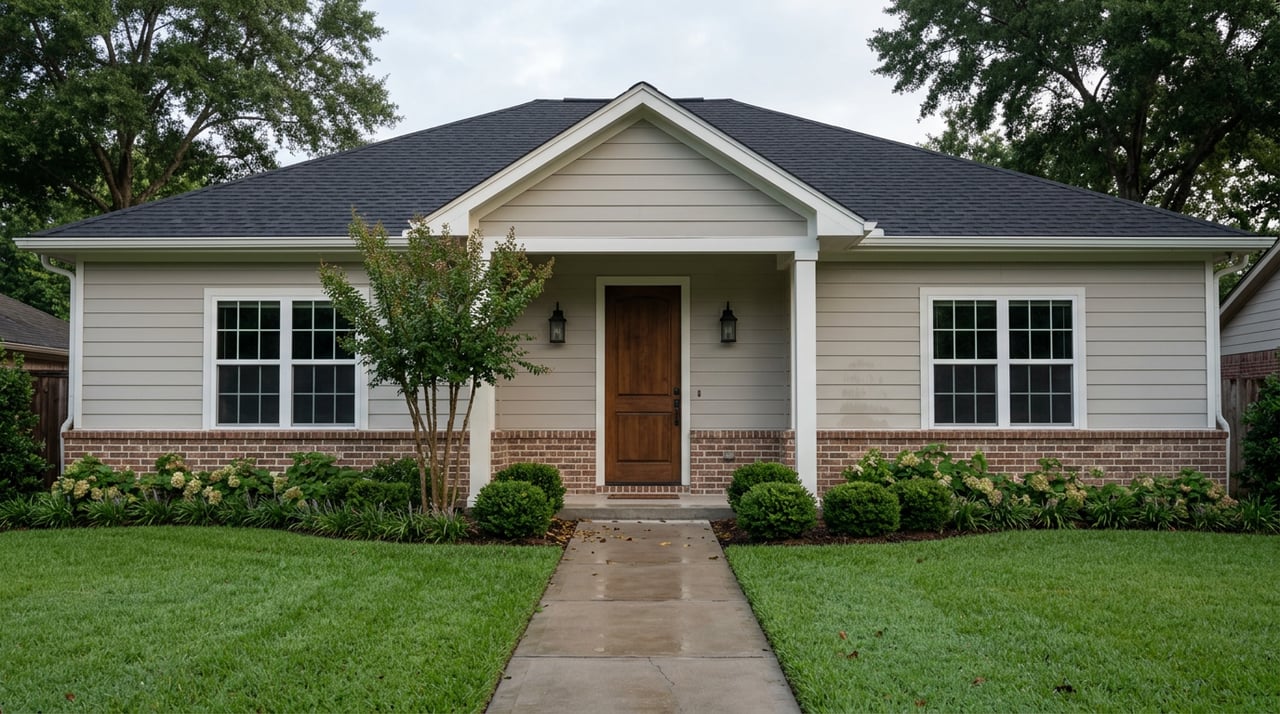
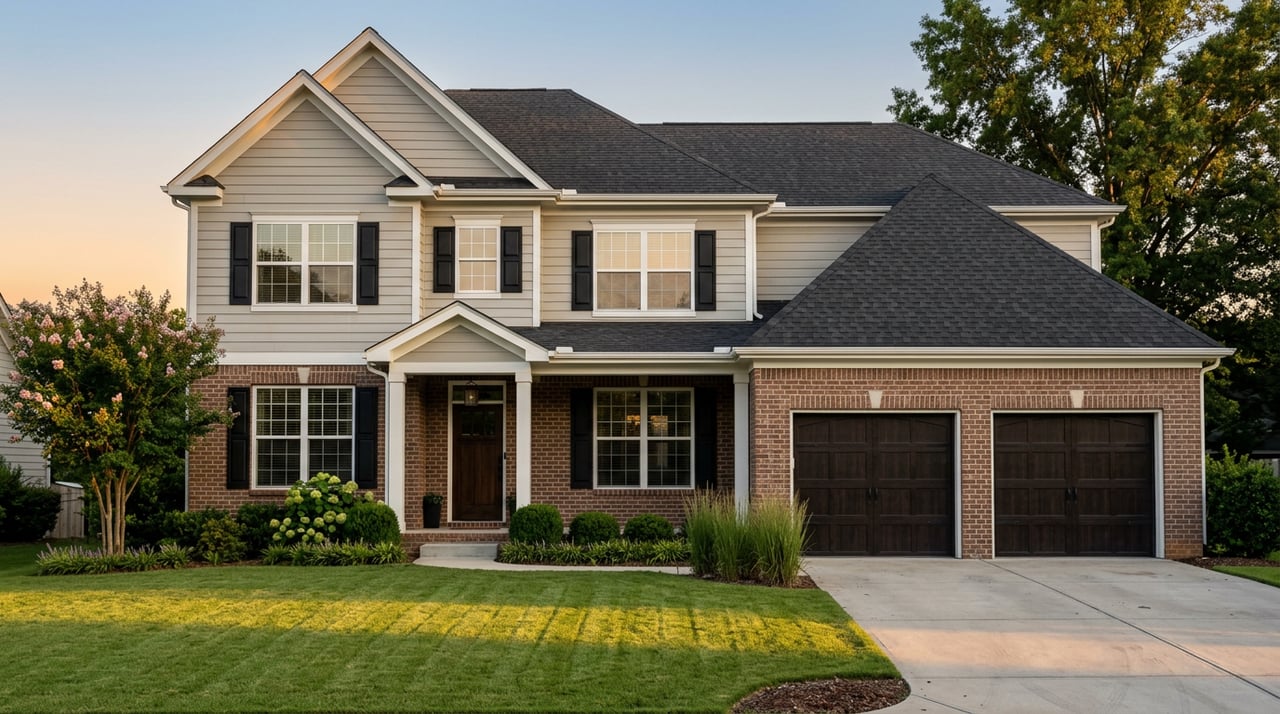
This is the final touch-up stage. Handle curb appeal, minor cosmetic fixes, and the small details that help your home feel cared for from the moment a buyer arrives.
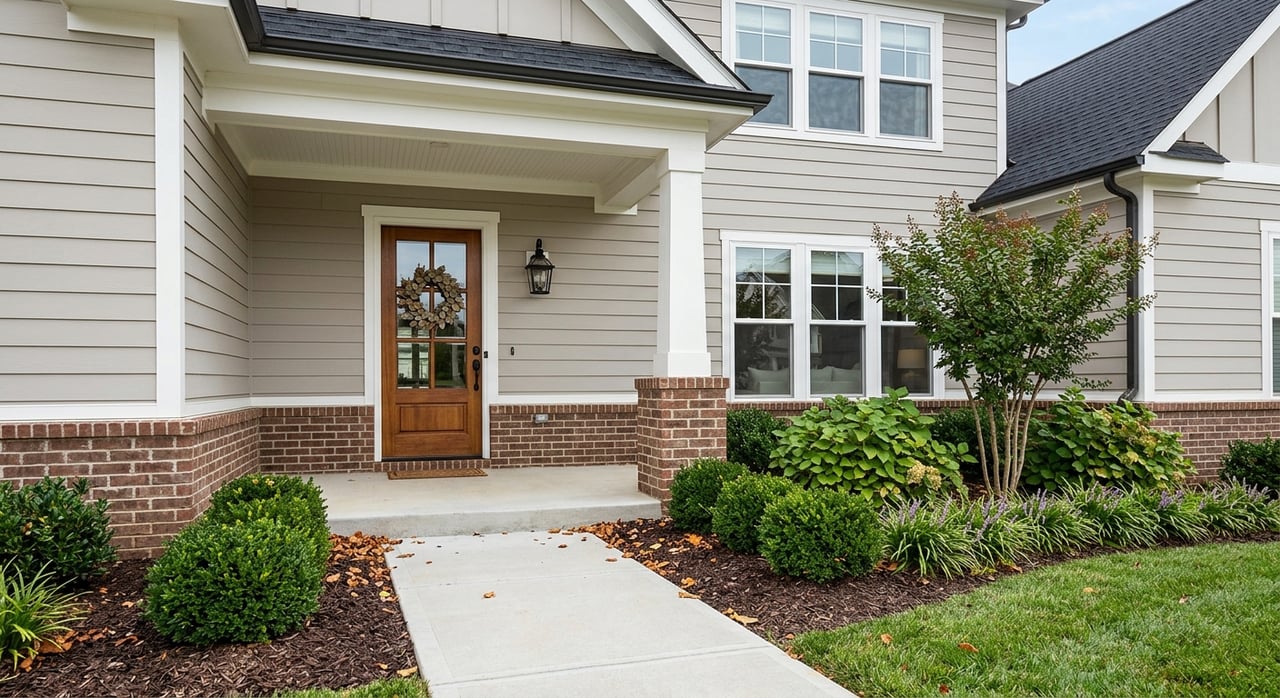
Focus on the front entry, landscaping, lighting, fresh mulch if needed, and a tidy exterior. Inside, make sure touch-up paint is done, light bulbs match, and daily storage plans are realistic. The goal is simple: your home should be ready to show without a scramble.
You also want a showing plan in place before listing day. Decide how you will handle pets, work-from-home schedules, cleaning routines, and short-notice appointments. Good logistics reduce stress and help you stay flexible once the home is live.
When your home hits the market, the preparation you did in advance starts paying off. In Apex, a well-prepared and appropriately priced listing may go from list to contract in roughly 2 to 6 weeks based on current local market ranges.
That does not mean every showing will turn into an offer right away. It does mean your first week matters. Buyers tend to watch new listings closely, so pricing, condition, photos, and readiness all carry extra weight at launch.
During this week, stay consistent. Keep the home clean, respond quickly to showing needs, and review feedback with a level head. Sometimes the right adjustment is patience, and sometimes it is a strategic shift in price or presentation.
Once you accept an offer, the sale is not finished yet. In North Carolina, the due diligence period begins on the effective date of the contract and lasts for a negotiated amount of time.
During due diligence, buyers often complete inspections, appraisal-related steps, title review, loan work, and in some cases pest or septic evaluations. They may ask for repairs or concessions based on what they learn. As the seller, you are not required to agree to every request, which makes this one of the most important negotiation stages.
The due diligence fee, if any, is negotiated and paid by the buyer to the seller by the effective date. It is generally nonrefundable unless the seller breaches the contract or another contract exception applies. For your timeline, this is often the stage most likely to create changes, especially if inspection issues, appraisal questions, or financing concerns come up.
In North Carolina, residential closings are attorney-centered. The closing attorney typically handles title review, title opinions, legal documents, recording, and disbursement once closing conditions are met.
That is why it helps to have the closing attorney selected early in the process. While the exact contract-to-close timeline depends on the agreement, financing, appraisal, title work, and any negotiated repairs, it is usually measured in weeks rather than months.
If your property is in an HOA, have your dues, transfer fees, and association contacts ready as early as possible. Because those items are part of the required disclosure process, delays in getting HOA information can slow things down when you are trying to stay on schedule.
The last week is about clean handoff and fewer surprises. Make sure the property is in the condition required by the contract and ready for the buyer’s final walk-through.
That usually means removing remaining personal items, confirming agreed repairs are complete if applicable, organizing keys and remotes, and making utility plans for the transfer. A rushed final week can create stress that was avoidable with better planning.
If you are also buying another home, this is when strong coordination matters most. A clear timeline for move-out, possession, and closing logistics can help protect both your schedule and your peace of mind.
Even well-run sales can hit a few bumps. In North Carolina, common delay points include:
The good news is that most of these are easier to manage when you prepare early. A disciplined timeline, honest disclosures, and organized documentation can keep a delay from turning into a bigger problem.
If you want a quick reference, here is the process in order:
| Timeframe | What to focus on |
|---|---|
| 6 to 3 months before listing | Choose target list date, identify larger repairs, gather records |
| 8 to 12 weeks before listing | Interview agent, build pricing and prep strategy, plan improvements |
| 6 to 8 weeks before listing | Complete key repairs and maintenance |
| 4 to 6 weeks before listing | Declutter, deep clean, start staging |
| 2 to 4 weeks before listing | Schedule photos, prepare listing materials, organize disclosures |
| 1 to 2 weeks before listing | Final touch-ups, curb appeal, showing logistics |
| Listing to contract | Expect roughly 2 to 6 weeks for many well-prepared homes |
| Under contract | Navigate due diligence, inspections, negotiations, appraisal, financing |
| Final week before closing | Prepare for walk-through, move-out, keys, utilities, and handoff |
Selling a home in Apex is not just about picking a list date. It is about building a timeline that supports your price, your presentation, and your next move. If you want a steady, service-first plan tailored to your home and goals, reach out to Dylan Hale to schedule your free consultation.
Stay up to date on the latest real estate trends.




Whether it’s your first home or your next big move, Dylan Hale brings the drive, heart, and strategy to make it happen.