
Blog

Your blog category

Blog

Staging Tips That Help Fuquay-Varina Homes Stand Out

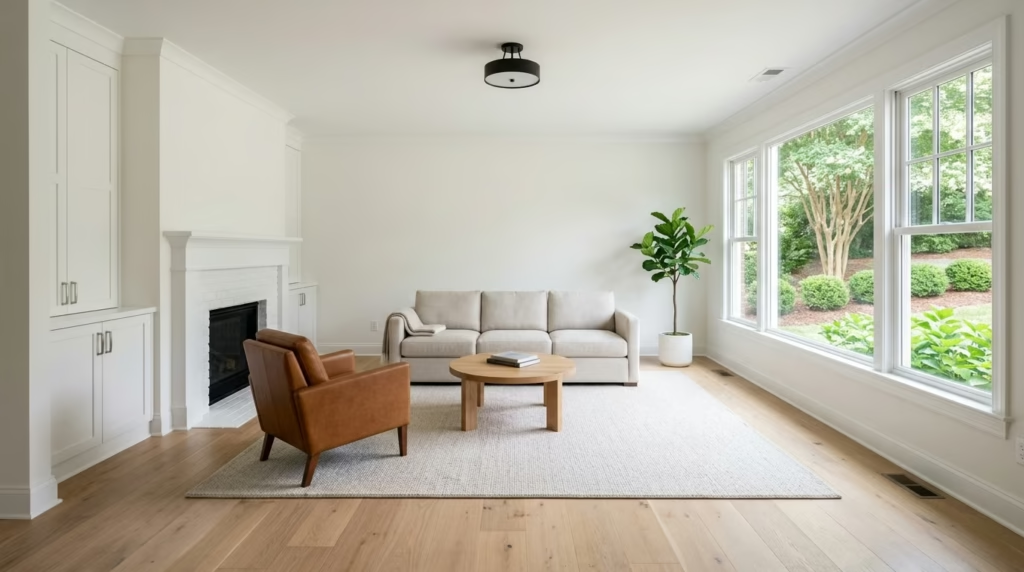
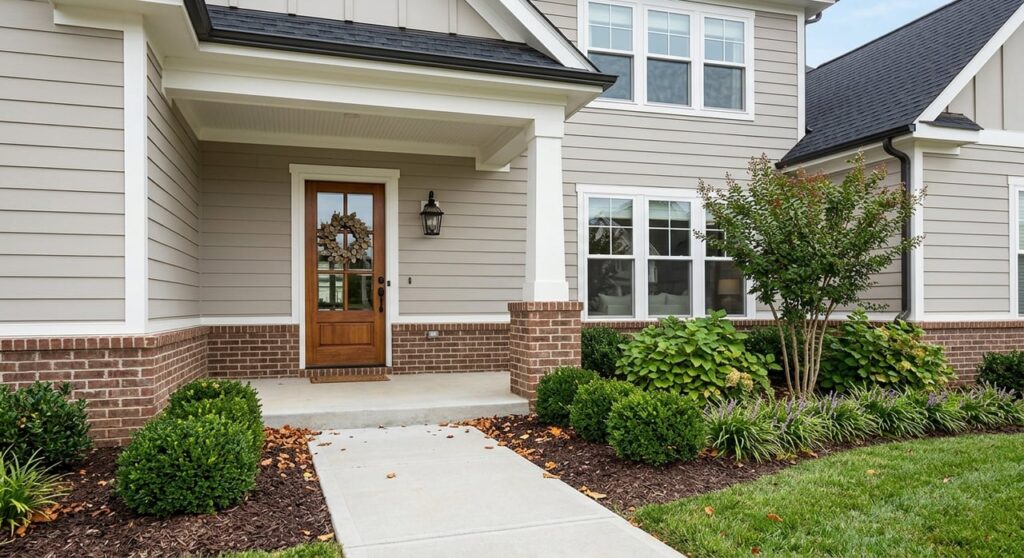
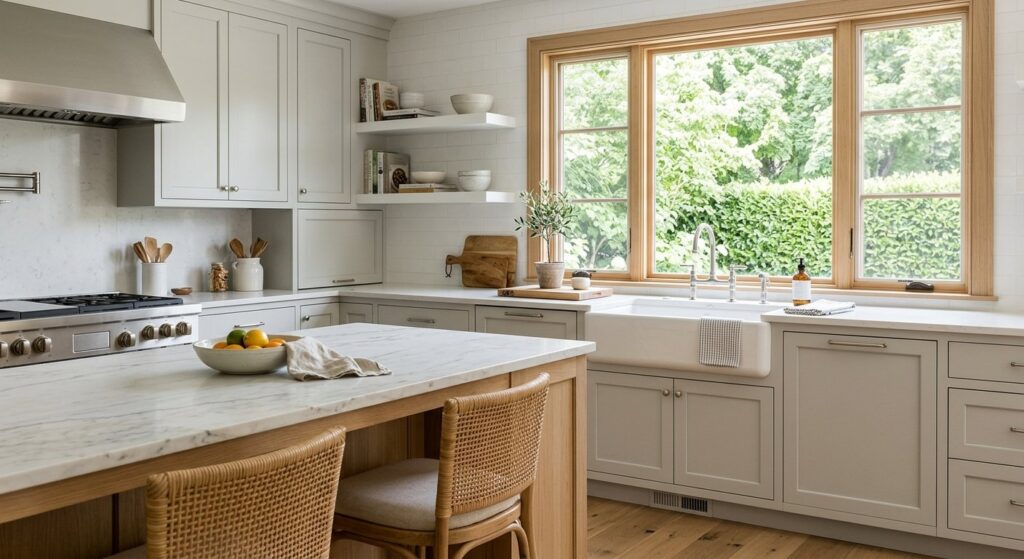
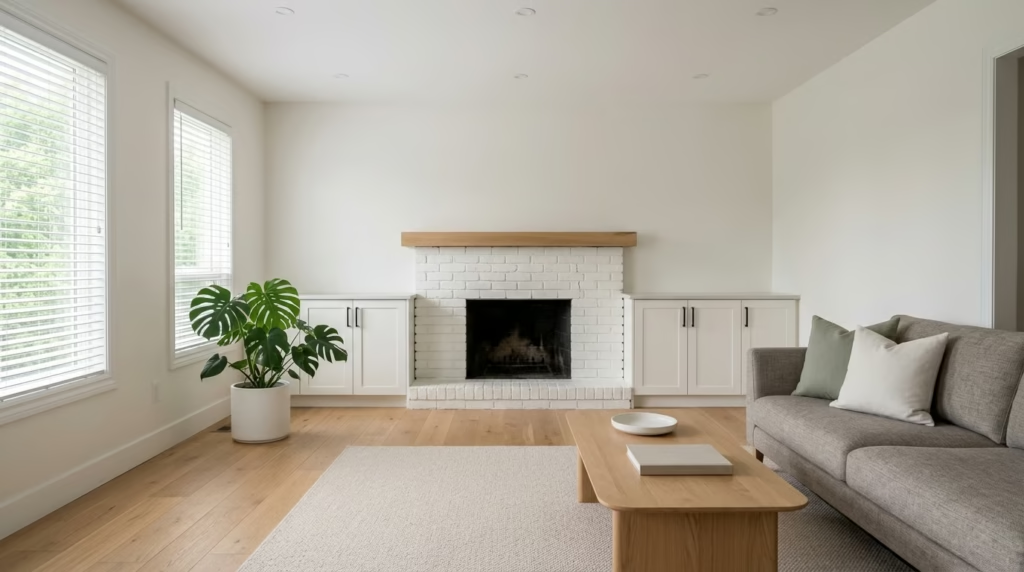
If your home hits the market looking tired, cluttered, or unfinished, buyers will notice before they ever step through the front door. In Fuquay-Varina, where many buyers start their search online and compare multiple homes at once, presentation can shape how quickly your listing gets attention. The good news is that effective staging usually is not about a full remodel. It is about smart, focused prep that helps your home feel clean, functional, and easy to picture living in. Let’s dive in. Why staging matters in Fuquay-Varina Fuquay-Varina continues to grow quickly, and the town’s location makes it appealing for buyers who want access to Raleigh, RTP, and RDU through NC 42, NC 55, and US 401. That means your home may be competing for attention from buyers who are balancing space, storage, layout, and commute needs. A staged home helps them understand how the property could work for daily life. This matters even more in an online-first market. NAR reports that 52% of buyers found the home they purchased online, and 81% rated listing photos as the most useful feature during their search. NAR also found that 83% of buyers’ agents said staging made it easier for buyers to visualize a property as a future home. Fuquay-Varina is active, but homes are not flying off the shelf in a weekend by default. Realtor.com reported a March 2026 median listing price of $463,090, with 617 homes for sale and a median 47 days on market. In that kind of environment, strong presentation can help your home stand out early. Start with the biggest visual wins The best staging plan starts with the areas buyers notice first. NAR’s staging research points to the living room, primary bedroom, and dining room as the most commonly staged spaces, while outdoor spaces also rank high in importance. If your budget or time is limited, focus there first. For most Fuquay-Varina sellers, your top priorities should be: These spaces do the heavy lifting in both photos and showings. When they feel bright, open, and well cared for, buyers tend to view the whole home more positively. Declutter before you decorate If you do only one thing before listing, declutter. It is one of the lowest-cost steps you can take, and it often has the biggest impact. Buyers want to see the size and function of each room, not your storage challenges. Remove extra furniture, clear countertops, hide cords, pack away collections, and take down personal photos. The goal is not to make your home feel empty. It is to make it feel spacious and easy to understand. Closets matter too. Messy, overstuffed closets can make buyers think the home lacks storage. Leave some breathing room on shelves and hanging rods so storage areas look useful instead of maxed out. Clean like photos are tomorrow A clean home signals that it has been cared for. NAR defines staging to include cleaning, decluttering, repairing, depersonalizing, and updating the home so buyers can picture themselves in the space. Before you list, aim for a full deep clean across the home. Pay close attention to floors, baseboards, bathrooms, kitchen surfaces, mirrors, and windows. Carpet cleaning, fresh grout, and spotless shower glass can make an older space feel much newer without a major investment. If you have pets, take extra care with odors, hair, and pet items. NAR specifically notes that pet beds and crates left in rooms can be a turnoff. For showings and photos, it is usually best to remove pet items from sight. Fix the small things buyers notice Minor repair issues can make buyers wonder what bigger problems may be hiding. Burned-out bulbs, scuffed paint, loose handles, squeaky doors, and dripping faucets may seem small, but together they can create a distracted first impression. This is where a simple pre-listing checklist helps. Walk through your home as if you are seeing it for the first time and note anything that looks broken, worn, or unfinished. Then tackle the easy fixes first. Focus on updates like these: These repairs are usually affordable, and they help your home feel move-in ready. Make curb appeal count Your exterior sets the tone for every showing and usually for your first listing photo too. In a climate like this one, with hot summers and steady rainfall, practical exterior prep matters. The Raleigh-Durham climate normals show annual precipitation of 46.07 inches, with July and September among the wetter months, so cleaning and freshening go a long way. For Fuquay-Varina homes, curb appeal does not have to be complicated. Power wash siding and walkways, trim shrubs, refresh mulch, wipe down porch furniture, and check exterior lights. Put away hoses, toys, and trash bins so the front of the home looks neat and intentional. If you have a porch, patio, or backyard seating area, give it extra attention. NAR ranks outdoor spaces among the most important areas to stage, and buyers often respond well to outdoor areas that feel usable and low maintenance. Stage for how buyers live now Fuquay-Varina’s road access and commuter connections make flexibility important for many buyers. A room that feels undefined can become more appealing when it has a clear purpose. That does not mean forcing a trendy design. It means showing how space can work in real life. If you have a bonus room, loft, or flex area, stage it simply. A desk and chair can suggest a work zone. A small seating setup can show a reading or media space. Keep the setup light so the room still feels open. Storage also deserves attention. Buyers who want a smoother daily routine often notice drop zones, pantries, laundry areas, and garage organization. Clean, tidy utility spaces can quietly strengthen the overall impression of the home. Keep the kitchen and bedrooms simple Kitchens and bedrooms can influence buyer emotion quickly. The easiest mistake is overfilling them with stuff. In the kitchen, clear counters as much as possible. Leave only a few practical or decorative items so the space
Blog

Parks, Greenways And Weekend Fun In Holly Springs

If weekend lifestyle matters to you, Holly Springs makes a strong first impression. This town offers more than a few playgrounds or a single trail. It has a connected mix of greenways, parks, sports facilities, and community spaces that can shape how you spend your free time. If you are thinking about buying a home here, understanding that lifestyle can help you narrow down where you want to live. Let’s dive in. Why Holly Springs Stands Out Outdoors Holly Springs has built an outdoor network that supports both daily routines and weekend plans. The town highlights greenways and sidewalks as a practical way to get around, and it continues to expand and connect its trail system. Town planning materials list 12.83 miles of greenway trails, which places Holly Springs third among peer communities in trail mileage per 1,000 population. For you as a buyer, that matters because access to trails, parks, and recreation can affect how a neighborhood feels day to day. Greenways in Holly Springs The town’s current trail and greenway system includes Bass Lake Park Trails, Carl Dean Greenway, Jones Park Greenway, Middle Creek Greenway, Mims Park Nature Trails, Oak Leaf Greenway, Utley Creek Greenway, Veterans Park Greenway, and Womble Park Trails. That variety gives you different experiences depending on what you want. Some routes are paved and practical for strollers, bikes, and easy walks. Others are more natural and quiet, which can be better for a slower nature outing. Paved Greenways for Daily Use If you want a route that feels easy and predictable, paved greenways are often the best fit. They work well for after-work walks, morning jogs, bike rides, and stroller use. Oak Leaf Greenway offers 2 miles of paved trail and seven access points. It also connects areas near Oakview Elementary, Holly Springs Business Park, and future Carolina Springs. Utley Creek Greenway is 0.9 miles long, paved, and partially shaded. It includes a tunnel that connects west Holly Springs across N.C. 55 with downtown, plus pedestrian crosswalks and a water fountain near the Ballentine Street trailhead. Middle Creek Greenway is nearly 3 miles and provides an off-street connection through Arbor Creek, Bridgewater, Woodcreek, and Sunset Ridge North. It also links regionally to Apex’s Middle Creek Greenway, which adds to its appeal for longer walks or rides. Veterans Park Greenway is a 0.5-mile paved loop with pond views and a connection to Jones Park. It is a simple option if you want a shorter walk close to other park amenities. Carl Dean Greenway stretches 1.32 miles and runs past Sugg Farm to Grigsby Avenue across from Womble Park trails. That gives you another practical paved option with access to key recreation areas. Natural Trails for a Quieter Feel If you prefer a more natural setting, Holly Springs also has trails that feel less structured and more relaxed. These can be great for a slower walk, but the surface matters. Bass Lake Park’s lake loop totals 1.90 miles, with about 1.65 miles of easy lakeshore walking and 0.25 miles through the woods. It gives you a scenic route that blends open views with a bit of wooded trail. Mims Park has a 0.8-mile natural-surface loop. The town notes that natural-surface trails can be slippery or uneven after large rain or snow events, and bicycles are not permitted on these trails. That difference is worth paying attention to when you search for a home. A paved greenway and a wooded loop may both look appealing on a map, but they support different routines. Parks That Shape Weekend Life Holly Springs does not stop at trails. Its parks and recreation spaces offer a wide range of ways to spend a Saturday or Sunday, whether you want a nature outing, a sports-heavy day, or an easy family stop. Bass Lake and Sugg Farm Bass Lake Park is one of the town’s most recognizable outdoor destinations. It is open year-round from 8 a.m. to sunset and includes a visitor center, conference room, picnic shelter, boat rentals, fishing access, and trail connections. Just nearby, Sugg Farm at Bass Lake Park covers 117 acres of pastures and woods overlooking the lake. It includes an archery field, community garden, dog park, RC field, nature play area, sensory trail, and links to the broader greenway network. If you want outdoor variety in one place, this area stands out. The nature play area is designed for ages 2 to 10, and the quarter-mile sensory trail adds another feature that makes the space feel active and well-rounded. Womble Park and Hunt Recreation Center For a more activity-focused weekend, Parrish Womble Park and the W.E. Hunt Recreation Center are central to Holly Springs life. Womble Park is a 46-acre park with a synthetic turf field, four lighted baseball and softball fields, tennis courts, playground, amphitheatre band shell, greenway trails, sand volleyball courts, horseshoe pits, a gaga ball pit, and a TeqBall table. Next door, the Hunt Recreation Center gives you an indoor option when the weather does not cooperate. It includes a 3,000-square-foot fitness center, indoor walking track, gym, game room, two group exercise rooms, classrooms, and a playground. The Hunt Fitness Center membership also includes group exercise classes and indoor pickleball. For active adults or anyone who wants a dependable backup plan, that can be a real plus. North Main Athletic Complex The North Main Athletic Complex, often called NMAC, is the town’s premier athletic complex. It hosts youth and adult sports, collegiate summer soccer and baseball, concerts, rentals, and community events. Amenities include an 1,800-seat multi-sport stadium, soccer center, tennis complex, free first-come pickleball courts, basketball courts, playgrounds, and marked trails. If you enjoy organized sports, live events, or a more active weekend atmosphere, this is one of the biggest draws in town. Jones, Veterans, and Mims Parks Jones Park is a 24-acre park behind Holly Springs Elementary. It includes two playgrounds, a fishing pond, greenway access, a baseball or softball field, and a disc golf course. Veterans Park combines a playground, accessible fishing pier, picnic shelter, fitness stations, memorials, and a half-mile paved trail that connects to Jones Park. This pairing can make that part of town appealing if you want a simple, flexible outdoor routine. Mims Park offers something quieter. This 17-acre wooded site includes natural springs, a hard-surface route

Blog

Apex NC Subdivisions Guide for Finding the Right Fit

If you are moving up in Apex, the hardest part often is not deciding whether to buy. It is deciding where your next home should be. One neighborhood may give you a larger yard, another may give you faster highway access, and another may make it easier to walk to local spots or hop on a trail after work. This guide will help you compare the subdivisions that come up most often for move-up buyers in Apex so you can narrow your search with more confidence. Let’s dive in. Start With Your Daily Routine In Apex, the right subdivision is usually the one that fits how you actually live each day. Commute time, lot size, neighborhood age, amenity style, and access to parks or trails can all shape whether a home feels convenient a year from now. That matters even more as Apex continues to grow. The town has an expanding greenway network, free public transit on GoApex Route 1, and major roadway changes that will continue to affect travel patterns over the next few years. If you start with your routine instead of just square footage, your shortlist gets clearer much faster. Compare the Four Biggest Filters Commute and Access If you commute across the Triangle, road access may be the first filter to use. Neighborhoods near US-1, US-64, NC-55, and I-540 tend to make daily travel easier for many buyers. Apex also offers GoApex Route 1, which is free. As of April 18, 2026, the route runs every 30 minutes on weekdays until 7 p.m., with hourly evening and Sunday service. Complete 540 is scheduled for completion in 2028 and is expected to reduce pressure on N.C. 55 and Ten-Ten Road. Lot Size and Home Age Apex gives you a real tradeoff between newer homes and more established neighborhoods. In many newer communities, you may get updated finishes and newer layouts, but often on somewhat smaller lots. In older neighborhoods, you may find larger yards and more mature landscaping. For example, recent listings show Bella Casa and Haddon Hall with roughly quarter-acre lots, Walden Creek around 0.23 to 0.35 acres, and Scotts Mill often closer to 6,500 to 7,000 square feet on many recent listings. Amenities and HOA Style Some buyers want a neighborhood with a pool, courts, clubhouse, and organized events. Others want fewer shared amenities and a simpler HOA experience. That is an important distinction in Apex. Haddon Hall, Walden Creek, and Bella Casa lean more heavily into HOA amenities, while The Villages of Apex stands out more for its mixed-use, walkable setting. School Assignments If school assignments matter in your search, verify them by address, not just by subdivision name. Wake County Public School System offers an address-specific base school lookup tool, and Apex is served by WCPSS. This step matters because assignments can change by exact location. Even homes in the same neighborhood can have details worth confirming before you make a decision. How Key Apex Subdivisions Compare Bella Casa Bella Casa is one of the stronger options for buyers who want a newer feel, premium finishes, and quick regional access. It sits between US-1, US-64, and I-540, which makes it appealing for many Triangle commuters. The neighborhood includes townhomes, semi-custom homes, and larger single-family homes. Reported home sizes range from about 2,300 to 4,600 square feet, with a price band of roughly $570,000 to $1.4 million. Recent listings show lots from about 6,100 to 9,600 square feet, with some reaching around 0.41 acres. Bella Casa is a smart fit if you want a resort-style HOA and easy access to destinations like Cary, downtown Raleigh, RTP, RDU, Apex Nature Park, and Apex Community Park. If your priority is newer construction in a polished neighborhood setting, this one should stay on your list. Haddon Hall Haddon Hall offers a classic Apex location with an established neighborhood feel and strong amenity coverage. It is located just outside downtown Apex and includes more than 800 homes. The community includes single-family homes, condominiums, and townhomes. Single-family homes range from about 1,800 to over 5,000 square feet, while one townhouse section runs from about 1,460 to 1,760 square feet. Amenities include a pool, lighted tennis and pickleball courts, a playground, a pond, and walking trails maintained by the Town of Apex. Recent listings show single-family lots around 0.25 to 0.38 acres. Haddon Hall is a strong match if you want established surroundings, neighborhood amenities, and convenient access to downtown Apex shopping, restaurants, and major employers. Scotts Mill Scotts Mill stands out for buyers who want a mature neighborhood vibe without going too old in housing stock. The area is known for tree-lined streets, a strong neighborhood identity, and direct access to the Beaver Creek Greenway. The neighborhood is mostly single detached homes with some townhomes, and most homes were built after 2000. Community features include a pool and clubhouse, a neighborhood park, and greenway access. Recent listings often show lots around 6,500 to 7,000 square feet, with some larger corner and cul-de-sac options. If you want a traditional neighborhood feel with moderate lot sizes and easier access to downtown Apex, Scotts Mill is worth a serious look. It tends to appeal to buyers who care just as much about setting and feel as they do about house specs. The Villages of Apex The Villages of Apex is the clearest option in this group for buyers who want walkability and lower-maintenance living. This 202-acre master-planned, mixed-use community includes sections such as Old Mill Village, North Village, and South Village. The neighborhood offers a resort-style pool and clubhouse, a dog park, athletic fields, walking trails, and village-center retail and cafés. Listings show a mix of townhomes and single-family homes, with townhome lots often much smaller than what you would find in older Apex subdivisions. This community works best if your goal is to stay close to downtown, simplify exterior maintenance, and enjoy a more connected daily lifestyle. If maximizing yard size is your top priority, other neighborhoods may be a better fit. Walden Creek

Blog

Your Step-by-Step Timeline to Sell a Home in Apex NC

Selling your home in Apex can move faster than many sellers expect, but the smartest sales usually start long before the sign goes in the yard. If you are trying to balance repairs, pricing, paperwork, showings, and your next move, it helps to see the process as a timeline instead of one big event. This step-by-step guide will show you what to do, when to do it, and where sellers in Apex often lose time so you can plan with confidence. Let’s dive in. Why timeline matters in Apex Apex is still a relatively active market, but it is not moving at the same breakneck speed many sellers saw in earlier years. Current data points vary, with homes going pending in about 19 days in one source, median days on market around 31 days in another, and roughly 45 days in another. The safest takeaway is that well-prepared homes can move quickly, but buyers are often more selective than they were when inventory was tighter. The Town of Apex also reported that median days on market rose from 5 to 17 between February 2024 and February 2025, while inventory increased. For you, that means timing matters. If your home needs updates, repairs, or careful coordination with another purchase, starting months ahead can give you more control. T-6 months to T-3 months This is your planning phase. Start by choosing your ideal listing month and working backward from that date. If you hope to move during a specific season or align with a job change, school calendar, or new purchase, now is the time to map it out. You should also begin identifying repairs or projects that could require contractor lead time. Think about larger items like roofing, HVAC concerns, drainage issues, or exterior repairs that cannot be handled in a weekend. Starting early gives you options instead of forcing rushed decisions later. This is also a good time to begin gathering records that can help your sale go more smoothly. Keep warranties, permits, receipts for major work, HOA details if applicable, and any other home-related documents in one place. A clean file now can save you time once buyers start asking questions. T-8 to T-12 weeks This is when your selling plan starts to take shape. Interview your listing agent, talk through local pricing strategy, and decide which improvements are worth the cost based on your home, your goals, and current Apex market conditions. Not every project adds value in the same way. In many cases, sellers get more traction from handling visible maintenance issues and presenting the home well than from taking on expensive renovations right before listing. A focused plan usually beats an oversized to-do list. If you know about a recurring issue with the property, bring it up now. In North Carolina, brokers must disclose material facts in time for that information to matter. Known concerns like leaks, drainage problems, HVAC issues, or HOA disputes should be addressed early, not saved for later. T-6 to T-8 weeks Now it is time to complete the repairs most likely to affect buyer confidence. Focus on deferred maintenance, visible cosmetic issues, and smaller safety-related items that can stand out during showings or inspections. This might include patching drywall, repainting worn areas, fixing loose handrails, repairing dripping faucets, servicing systems, or replacing broken fixtures. You do not need to make every home improvement imaginable. You do need to reduce avoidable red flags that can make buyers hesitate. A clean repair phase also helps later during due diligence. Buyers in North Carolina often complete inspections and may request repairs or concessions, but sellers are not required to agree to every request. Even so, fewer obvious issues on the front end can make negotiations smoother. T-4 to T-6 weeks This is your decluttering and deep-cleaning window. Start removing extra furniture, overflow storage, and highly personal items so the home feels more open and easier to show. You should also begin staging or styling the home so it can stay show-ready without daily chaos. In practical terms, that means simplifying countertops, closets, entry areas, bathrooms, and bonus spaces. Buyers tend to respond best when rooms feel functional, clean, and easy to understand. Deep cleaning matters more than many sellers realize. Baseboards, windows, flooring, kitchens, bathrooms, and high-touch surfaces all influence first impressions. In a market where buyers have more room to compare options, presentation can affect both speed and leverage. T-2 to T-4 weeks This phase is all about launch prep. Schedule professional photography, finalize listing remarks, and organize the documents buyers may ask for during the first days on market. In North Carolina, most sellers of residential one-to-four unit homes must provide the residential property disclosure statement and the mineral and oil and gas rights disclosure statement before an offer is made. If your property is in an HOA, the owners’ association disclosure statement is also required. That HOA form can include details such as association contact information, dues, special assessments, litigation, and transfer fees. Do not wait until the last minute to gather these items. Missing paperwork can create unnecessary friction early in the process. If something materially changes after you deliver a disclosure statement, it must be corrected promptly. T-1 to T-2 weeks This is the final touch-up stage. Handle curb appeal, minor cosmetic fixes, and the small details that help your home feel cared for from the moment a buyer arrives. Focus on the front entry, landscaping, lighting, fresh mulch if needed, and a tidy exterior. Inside, make sure touch-up paint is done, light bulbs match, and daily storage plans are realistic. The goal is simple: your home should be ready to show without a scramble. You also want a showing plan in place before listing day. Decide how you will handle pets, work-from-home schedules, cleaning routines, and short-notice appointments. Good logistics reduce stress and help you stay flexible once the home is live. Listing week in Apex When your home hits the market, the preparation you did in

Blog

Patio and Porch Ideas for Holly Springs Homes

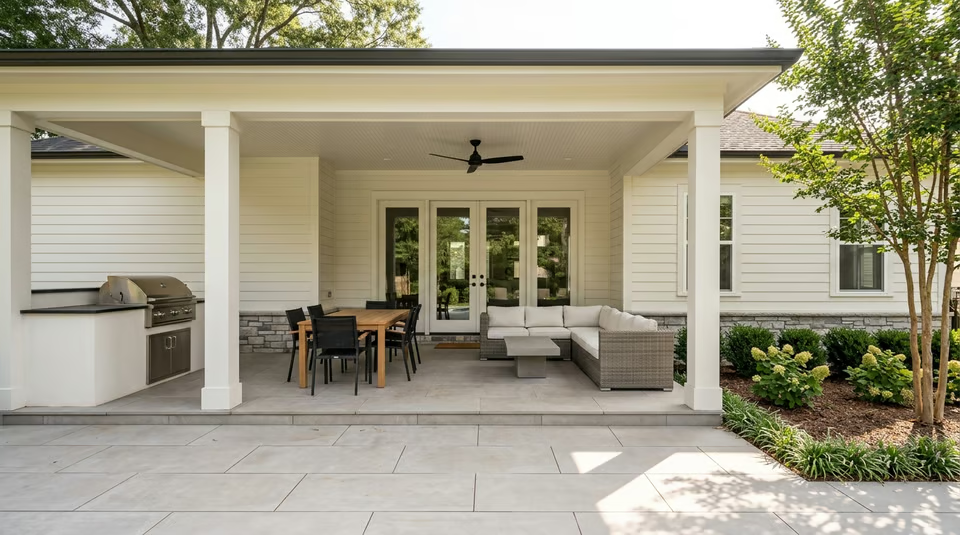
If you picture life in Holly Springs, chances are the backyard is part of the story. With most homes in town being single-family detached and a high owner-occupied housing rate, outdoor space often works like a true extension of daily living, not just a nice extra. If you are dreaming about a better porch, patio, or yard setup, this guide will walk you through practical outdoor living ideas that fit how many Holly Springs homes are built and how people use them. Let’s dive in. Why outdoor living fits Holly Springs Holly Springs has a housing profile that naturally supports outdoor living. Town data shows that 81% of housing units are single-dwelling detached homes, and Census QuickFacts reports an 80.6% owner-occupied rate. That means many homes have the kind of yard, porch, or patio space where outdoor upgrades can make a real difference in everyday life. The town also has a strong outdoor culture. Holly Springs continues to expand greenways and sidewalks, and residents have access to places like Bass Lake Park Trails, Jones Park Greenway, Middle Creek Greenway, Veterans Park Greenway, and Sugg Farm. When a community values trails, outdoor events, sports, and gathering spaces, it makes sense for homes to reflect that same lifestyle. Design for the local climate Before you choose furniture or planters, it helps to think about the weather. Using Raleigh-Durham International Airport as a nearby climate proxy, the area averages 61.2 degrees annually and gets about 46.07 inches of rain each year. Summer heat is a real factor, with an average of 52.5 days per year reaching 90 degrees or higher. That climate makes comfort features especially important. In Holly Springs, the most useful outdoor spaces usually include shade, cover, airflow, and materials that can handle heat and rain. Instead of building for a few perfect days, it makes sense to build for the weather you actually get. Add shade first Shade can change how often you use your yard. A patio that feels too hot in July may become a favorite hangout once it has cover overhead. Covered seating areas, pergolas, and well-placed shade trees are practical choices for the long warm season. If you want a natural option, native shade trees can be a smart fit. NC State Extension lists southern red oak as a native tree useful for shade in residential areas and notes its drought tolerance. Over time, a tree like that can make a yard feel cooler and more established. Plan for rain too Rain is spread throughout the year, with notable totals in July and September. That does not mean you should avoid hardscaping. It means your layout should account for drainage and durable materials. Simple choices can help a lot. Think about where water moves after a storm, how your patio surface dries, and whether seating areas stay usable when the weather shifts. A beautiful outdoor space works better when it is practical after a summer downpour. Start with a screened or covered porch One of the best outdoor living ideas inspired by Holly Springs homes is the screened or covered porch. The town specifically includes screened or covered porches among common residential project types in its homeowner guide. That local detail matters because it shows these spaces are not unusual add-ons here. They are a natural fit for the area. A screened or covered porch helps you get more use out of your home during hot and rainy months. It can create a comfortable place for morning coffee, casual dinners, reading, or winding down at the end of the day. If you want outdoor living that feels easy and low-stress, this is often the strongest starting point. Porch features worth considering A simple porch can still work hard for your household. Focus on features that improve comfort and flexibility. Create patio zones that match daily life In a town where many homes have backyards, patios often do more than hold a grill and a table. They can support several parts of your routine at once. Breaking a patio into zones is one of the easiest ways to make it feel more intentional. You do not need a huge yard to do this well. Even a modest patio can be divided into useful spaces that support how you actually live. Smart patio zones for Holly Springs homes Try building your layout around a few simple uses: This kind of layout helps the yard feel connected to the house. Instead of one large undefined area, you create outdoor rooms with clear purpose. Make the yard family- and pet-friendly Holly Springs public amenities point to a lifestyle built around gathering, play, gardening, and outdoor movement. Sugg Farm includes open space, a community garden, a dog park, greenway connections, and a nature play area and sensory trail. That local context makes family-friendly and pet-friendly backyard design feel especially relevant. The goal is not to copy a park. It is to create a yard that supports real life at home. A good outdoor setup gives you room to relax while making space for activity too. Simple backyard ideas that add function You might consider: These choices can make a backyard feel more usable without making it feel crowded. Keep landscaping natural but intentional Low-maintenance does not have to mean plain. Native planting beds can help a yard feel polished while staying in step with North Carolina conditions. NC State Extension notes that native plants are well-adapted to North Carolina ecosystems, though new plantings still need water during hot, dry periods. The key is to make naturalized landscaping look planned. NC State also notes that paths, benches, fencing, and other structure can help a landscape feel intentional rather than unfinished. That is useful advice if you want a softer, more relaxed yard without losing visual order. Ways to make planting beds feel finished A few details can pull the whole look together: Think of outdoor space as living space For many buyers in Holly Springs, outdoor living is really about usable

Blog

How to Price a Home in Holly Springs NC Strategically

If you price your Holly Springs home based on last year’s headlines or a broad townwide average, you could miss the market by more than you think. Buyers are still active here, but they are also more selective, more informed, and less likely to overlook an ambitious asking price. The good news is that with the right strategy, you can price confidently and protect your sale from costly delays. Let’s dive in. Why pricing matters more now Holly Springs is still a desirable market, but 2026 looks more balanced than the fast-moving years many sellers remember. Raleigh Regional Association of REALTORS says inventory is rising across the Triangle, buyers are taking more time, and sellers need stronger pricing and positioning to stand out. That shift matters because even in a healthy market, buyers compare options more carefully when they have more homes to consider. In Holly Springs, recent market snapshots still show solid demand, but they also show that homes are not automatically selling at any price. Redfin’s May 2026 data shows a median sale price of $621,628, about 19 days on market, and roughly 2 offers per home over the last three months. It also reports that the average home sells about 1% below list price and goes pending in around 18 days. Realtor.com reports a median listing price of $651,300, 364 homes for sale, a 26-day median time on market, and homes selling at about 99% of asking in May 2026. Zillow’s May snapshot shows 168 homes for sale, a $585,000 median list price, and 9 days to pending. These numbers vary because each platform uses different methods and time windows, which is why local MLS-level guidance matters when setting your price. Read the Holly Springs market clearly A changing market does not mean a weak market. It means you need to be more precise. The Town of Holly Springs reports slower growth conditions than the recent high-growth period. Its FY27 budget message notes that 2025 single-family and townhome permits fell to under 300 from a 10-year average of 600, while about 5,200 approved but unbuilt residential units remain in the pipeline. The town also points to higher interest rates and national market conditions as part of the slowdown. At the same time, Holly Springs’ total real estate value has still grown by more than 7% annually on average since 2020, with a projected 4.3% increase in 2026. That tells you something important as a seller. Value is still holding, but appreciation is not moving at the same pace it did during the hottest years. If you price as if buyers will chase the market upward no matter what, you risk starting too high. Holly Springs is not one market One of the biggest pricing mistakes sellers make is treating Holly Springs like a single, uniform market. It is not. ZIP-level and neighborhood-level data show meaningful differences in price points and pace. Realtor.com lists ZIP code 27540 at a median listing price of $650,000 with 26 days on market, but neighborhood figures vary much more. For example, Twelve Oaks is listed at $887,000 with 20 days on market, while Sunset Ridge sits at $775,000 with 17 days on market. Holly Glen is listed at $535,000 with 38 days on market, and Woodcreek is listed at $492,500 with 40 days on market. Those differences show why broad averages can be misleading. A pricing strategy that works for a home in one submarket may be off target in another, even if both homes are in Holly Springs. Your neighborhood shapes buyer expectations Buyers do not shop by town name alone. They compare your home to nearby listings with similar size, age, condition, and features. If you are listing in a faster-moving area with limited direct competition, you may have more room to price close to current market value. If your home is in a submarket with longer days on market or more competing inventory, a sharper number may be the smarter move. This is where local context matters most. A seller who relies only on a townwide median can easily overestimate what buyers will pay for a specific home in a specific pocket of Holly Springs. Condition matters just as much as location In a changing market, buyers notice condition quickly. They also use it to justify what they are willing to offer. Recent sold examples from Redfin show how much pricing outcomes can vary. At 264 Elmcrest Dr, the home sold 5% under list after 63 days. At 125 Crested Coral Dr, it sold 4% under list after 50 days. At 301 Firefly Rd, it sold 1% over list after 43 days. These examples reinforce a simple truth: not every home earns the same pricing power. Updates, presentation, maintenance, and how your home stacks up against newer or more polished listings can change both your timing and your final sale price. Updated homes and dated homes price differently If your home is updated, move-in ready, and well presented, buyers may respond faster and more confidently. That can support a price closer to current market value. If your home needs cosmetic work or competes with newer inventory, buyers may expect a discount. In that case, pricing more conservatively from day one can help you attract stronger interest instead of chasing the market with later price cuts. The first two weeks are critical Your launch window matters. In Holly Springs, homes are generally going under contract within about 19 to 26 days based on the current market data from Redfin and Realtor.com. That means the first week or two is when buyers are paying the most attention to your listing. If showings are light, feedback is soft, or similar homes are moving while yours sits, the market may be telling you your price is too high. A stale listing often costs more than a well-planned initial price adjustment would have. When a home lingers, buyers start to wonder what is wrong with it, even when the real issue is simply

Blog

Why Remote And Hybrid Workers Are Eyeing Fuquay-Varina

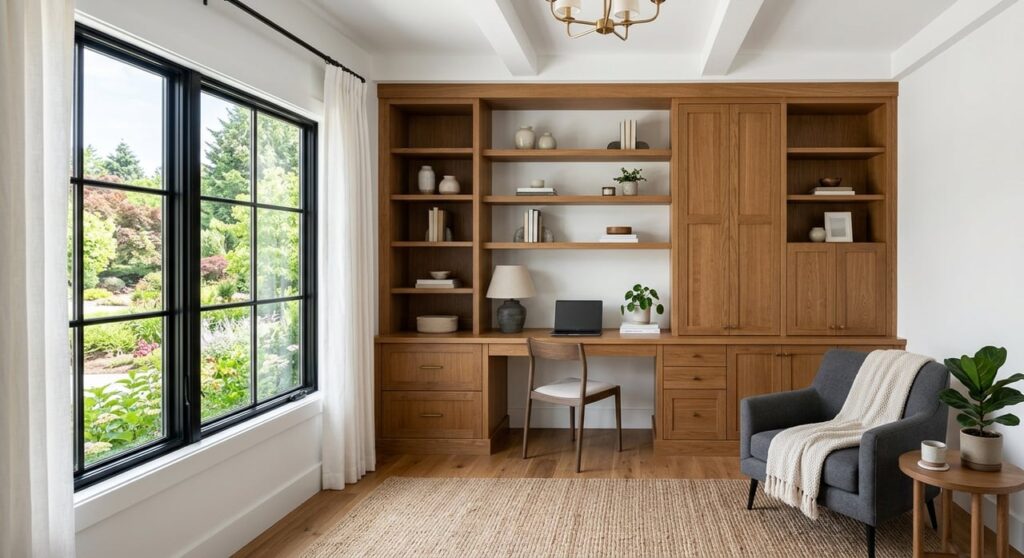
If your workweek no longer fits the old five-days-in-the-office model, where you live starts to matter in a different way. You may need a home that supports video calls, a town that makes part-time commuting manageable, and everyday amenities that help you reset between meetings and real life. Fuquay-Varina is getting more attention for exactly those reasons, and this guide will show you why. Let’s dive in. Fuquay-Varina fits modern work life Remote and hybrid work have changed what many buyers look for in a home. Instead of choosing a place based only on a daily commute, you may now be balancing home office needs, occasional in-person meetings, and the desire for a more flexible routine. Fuquay-Varina offers a practical fit for that lifestyle. The town is the southernmost municipality in Wake County, with access through NC 42, NC 55, and US 401, giving you direct routes to downtown Raleigh, Raleigh-Durham International Airport, and Research Triangle Park. That mix matters if you work from home most days but still need to get across the Triangle at times. It gives you the option to stay rooted in a suburban setting without feeling cut off from major job centers. Growth shows strong demand Fuquay-Varina is not a hidden secret anymore. Census QuickFacts estimates the town’s population at 48,536 as of July 1, 2025, up from 34,152 at the 2020 Census. That kind of growth usually reflects a strong pull for buyers who want more space and a different pace than a denser urban core can offer. It also tells you that more households are seeing long-term value in putting down roots here. The same Census profile shows a 74.2% owner-occupied housing rate. For many remote and hybrid workers, that owner-occupied pattern lines up with a market where people are choosing homes that function as both living space and a primary work base. Home search priorities are changing If you work from home even a few days a week, your must-have list may look different than it did a few years ago. A pretty kitchen still matters, but so does a layout that helps you focus during the workday. In Fuquay-Varina, many buyers will likely benefit from looking closely at homes with features like: This approach makes sense in a town where the home often serves as more than just a place to sleep and relax. For remote and hybrid households, it can also be the center of your work routine. Broadband supports work-from-home needs A remote-friendly town has to be connected. Census data shows that 98.9% of households in Fuquay-Varina have a computer and 95.8% have a broadband Internet subscription. That does not replace checking service at a specific address, especially before you buy. Still, it is a strong sign that the town broadly supports the kind of connected lifestyle many remote and hybrid workers depend on for video meetings, cloud-based tools, and large file uploads. When you are narrowing down homes, this is one reason to go beyond finishes and square footage. You also want to evaluate how well a property supports your day-to-day workflow. Part-time commuting is still realistic One reason Fuquay-Varina stands out is that it can work well for people who are not fully remote. If you commute a few days a week, road access becomes a major part of the conversation. The town highlights direct travel routes through NC 42, NC 55, and US 401. Those connections can make it easier to reach Raleigh, the airport, and RTP while still living farther southwest in Wake County. Another factor is Complete 540. Phase 1 opened on September 25, 2024, extending the Triangle Expressway from the N.C. 55 Bypass in Apex to I-40/U.S. 70, which is the future I-42. That said, there is an important detail to remember. The roadway uses all-electronic tolling, and the full project is scheduled for completion in 2028, so if this route will be part of your regular routine, you will want to budget for tolls and keep long-term travel patterns in mind. Downtown adds everyday convenience Remote work can be great, but staying home all day every day is not always ideal. Sometimes you need a quick lunch break, a change of scenery, or an easy way to separate work mode from personal time. Downtown Fuquay-Varina helps with that. The town is a North Carolina Main Street community with two downtown districts, and town materials describe downtown as a place to dine, unwind, create, and explore. The town also points to dining, breweries, shopping, and recurring events such as First Fridays. For you, that can translate into practical daily value, whether that means running errands between meetings, meeting someone informally, or simply stepping away from your desk without driving far. A town center with this kind of activity can feel especially useful when your home is also your office. It gives your day more natural variety. Parks and trails support better routines One of the biggest challenges with remote work is staying active and breaking up the day. That is where Fuquay-Varina’s parks and trail network can become part of your routine. The town maintains 18 parks with more than 300 acres. Its trail network includes the Jeff Wells Trail, Old Honeycutt Road Park Walking Track, Park Depot Greenway, and South Lakes Greenway. If you like to take a walk between calls, go for a short run after work, or get outside before your next meeting, these amenities can make a real difference. Even a quick outdoor reset can help make the workday feel more balanced. This kind of access is one reason some buyers look beyond the house itself and focus on how the surrounding area supports daily life. For hybrid and remote workers, that bigger picture matters. Some areas offer strong lifestyle alignment Different parts of Fuquay-Varina may appeal to different types of buyers, but certain patterns stand out for remote and hybrid work. Areas with easier access to NC 55, US 401, or the Complete 540 corridor may be

Blog

How The Appraisal Can Impact Your Fuquay-Varina Home Sale

Worried that a buyer’s appraisal could derail your Fuquay-Varina home sale at the last minute? You are not overthinking it. An appraisal can directly affect whether a buyer’s lender will support the contract price, which means it can shape your negotiations, your timeline, and sometimes your final proceeds. The good news is that with the right pricing strategy and preparation, you can reduce surprises and move forward with more confidence. Let’s dive in. What an appraisal means for your sale A home appraisal is the lender’s independent opinion of your property’s value for the loan process. It is not the same thing as a home inspection, and it is not the same thing as a county tax assessment. That difference matters because you may see several numbers tied to your home at once. An online estimate, a Wake County tax value, and a lender appraisal can all be different because they rely on different timing, methods, and data. For sellers in Fuquay-Varina, this can feel confusing fast. If you are preparing to list or already under contract, the appraisal is the number that matters most to the buyer’s financing. Why appraisals matter in Fuquay-Varina Fuquay-Varina remains an active market, but it is not moving at a pace where every price automatically gets support. Redfin reported a median sale price of $464,722 over the three months ending May 2026, with homes selling in about 38 days and a sale-to-list ratio of 98.8%. At the same time, Zillow’s home value index placed the typical home value at $444,523 as of May 31, 2026. Those numbers are not supposed to match exactly, because each platform uses a different methodology. The takeaway is simple: pricing needs to be grounded in real market evidence. In a market like Fuquay-Varina, appraisals can have a real impact when list prices stretch beyond what recent closed sales support. How appraisers determine value In North Carolina, appraisers are licensed and certified through the state board. The board’s mission includes competency, independent judgment, and professional standards, which is one reason lenders rely on the appraisal during underwriting. For a purchase transaction, the sales comparison approach is the key method. That means the appraiser looks closely at recent closed sales of similar homes in the same market area, including the same subdivision when possible. Fannie Mae requires at least three closed comparable sales in the sales comparison approach. The best comparables are usually the ones that are physically and legally similar to your home. This is why active listings and hopeful asking prices only go so far. They can help frame the market, but recent closed sales usually carry the most weight in supporting value. Comparable sales drive the result If your home is in a subdivision with several recent resales, the appraisal process may be more straightforward. The appraiser can often pull from nearby homes with similar size, style, age, and features. If there are not enough recent sales in your immediate area, the appraiser may use homes from competing market areas. Fannie Mae allows that when those properties are the best available comps and the appraiser explains the reasoning. That matters in Fuquay-Varina, where resale activity can vary from one neighborhood pocket to another. A home’s value can be influenced by how close it is to the strongest, most relevant comparable sales. Timing also matters An appraisal is tied to a specific effective date. If market conditions changed between when a comparable home went under contract and the appraisal date, the appraiser may need to make time adjustments. Adjustments can also apply to upgrades, concessions, or other differences, but they need fact-based support. In other words, improvements can matter, but they usually need to be documented and reflected in how the market reacts. What sellers should do before the appraisal A strong appraisal often starts before the appraiser walks through the front door. Your pricing, preparation, and documentation all help create a more supportable picture of value. Here are practical ways to get ready: This does not mean you should try to “sell” the appraiser. It means you should be prepared, accurate, and organized so the appraiser has relevant information available. Wake County tax value is not the same thing One common point of confusion is the difference between a mortgage appraisal and a county assessment. Wake County’s revaluation process is for property taxation, not mortgage underwriting. Wake County’s last revaluation was effective January 1, 2024. The county groups parcels into neighborhoods based on similar market, economic, and geographic conditions and analyzes sales to set land values, building grades, and other property characteristics. That local process reinforces an important idea: value is highly location-specific. But for your sale, the county’s assessed value should not be confused with the lender’s appraisal tied to your buyer’s transaction. What happens if the appraisal comes in low A low appraisal can create the biggest challenge in a financed sale. If the appraised value is below the contract price, the lender may not base the loan on the higher amount. For the buyer, that can create a funding gap. CFPB notes that it can be risky to buy for more than the appraised value, and in some cases the seller may be asked to reduce the price or the buyer may choose to walk away if the deal cannot be reworked. For you as the seller, a low appraisal does not always mean the transaction is dead. It usually means the deal needs a strategy. Common paths after a low appraisal When an appraisal comes in under contract price, the next steps often include one or more of the following: Since May 2024, Fannie Mae and Freddie Mac have published Reconsideration of Value policies that standardize how lenders handle borrower-initiated requests to re-check an appraisal when there may be deficiencies or inappropriate comparable sales. That does not guarantee a change. It does mean there is now a more standardized path when there is a fact-based reason to question the report. When a review

Scroll to Top

Get in Touch